
Three places I price-check first, the exact questions I ask, and the $12 fix that tells me a tailor’s worth it.
The dry cleaner tailor who posts prices (and sticks to them)
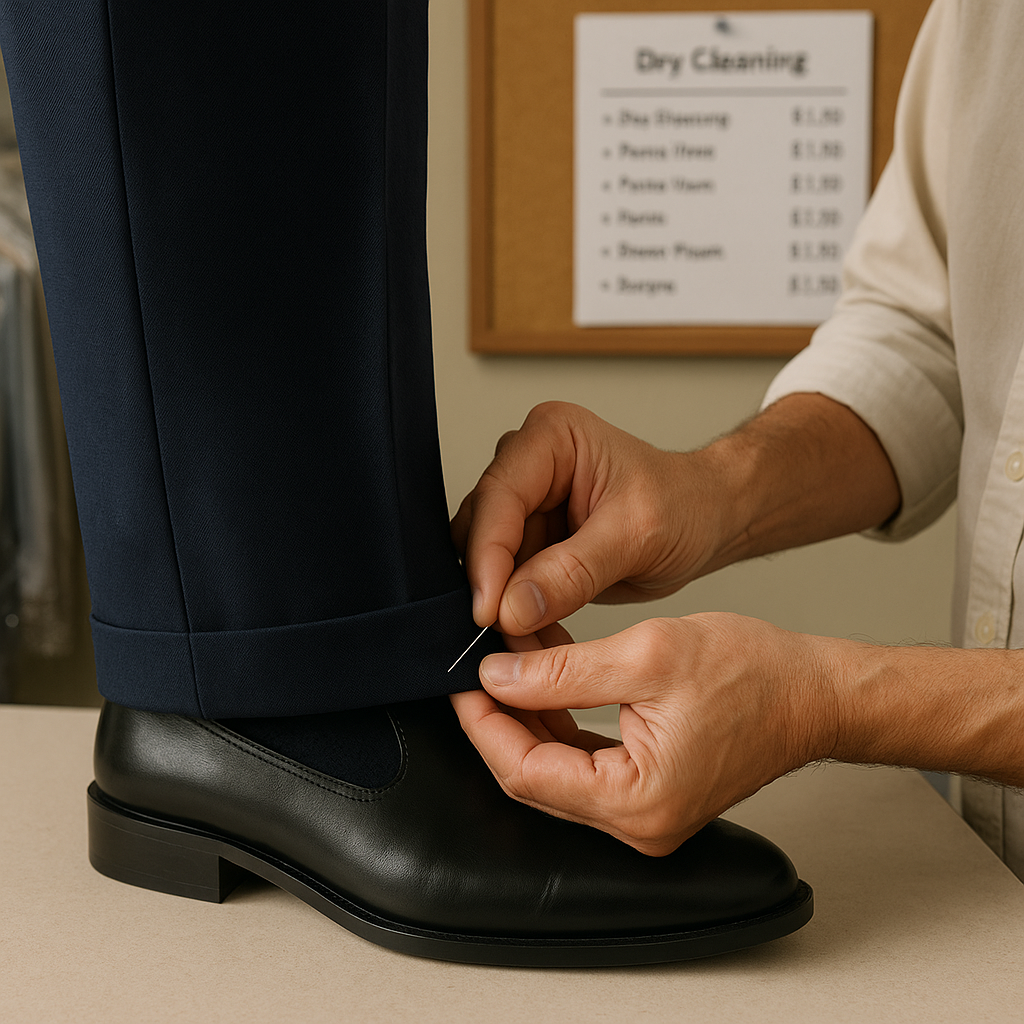
If you want alteration work that doesn’t turn into a weird negotiation, start with dry cleaners that have an in-house tailor and a price list taped to the counter or printed on a handout. It sounds unglamorous because it is, but this is where I’ve had the most predictable results for simple stuff: hems, sleeve shortening, taking in a waist a little, replacing a zipper. The best sign is a board that lists common jobs with a range (like pants hem $12-2) and a clear upcharge for linings, cuffs, or keeping the original hem on jeans. When a shop is comfortable putting numbers out in the open, they usually aren’t building their business on reading your outfit and guessing what you’ll pay.
Here’s how I handle the first visit. I bring one boring, repeatable item: a pair of straight-leg trousers that are too long, plus the shoes I’ll wear with them. I ask for three things in plain language: Can you hem these to skim the top of the shoe Can you keep the original finish if these were jeans and “How long will it take?” Then I stop talking and listen. A solid tailor will ask where you want the break (no break, slight, full), whether you want to preserve cuff depth, and they’ll pin with the pants on you, not on a hanger. If they immediately default to standard lengt without looking at your shoes, I leave. That’s the kind of place that hands you back pants that puddle or pants that jump up when you sit.
My personal cost check: if a basic hem on unlined pants is getting quoted at $90 like it’s a mini wedding dress, I’m out. I’m not asking for couture, I’m asking for a clean stitch line that won’t twist after one wash. If they can do a simple hem well and on time, then I bring the trickier stuff later, like a lined skirt or a jacket sleeve. Build the relationship on the easy win.
Bring the ugly garment first: my $12 test jo
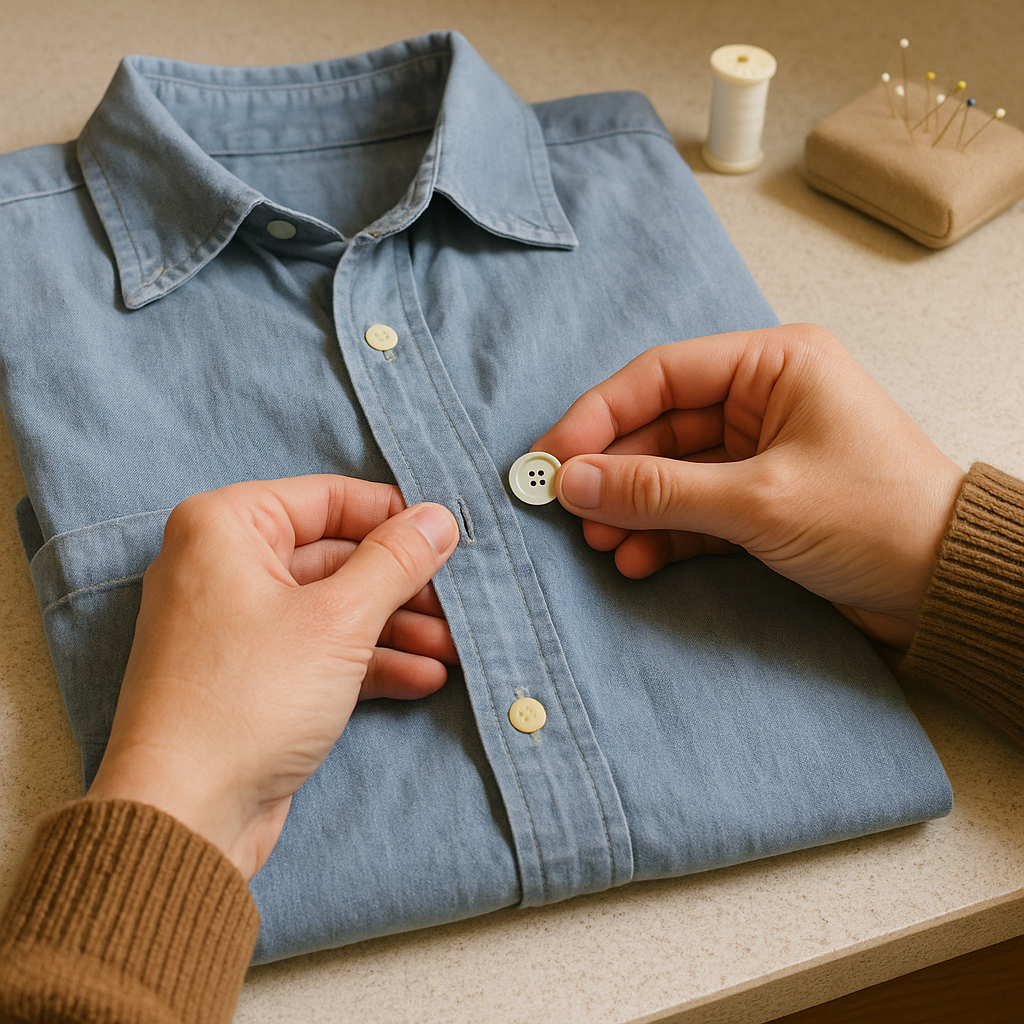
I don’t audition a new tailor with my favorite blazer. I use what I call the ugly garmen test: something I like enough to keep, but not enough to cry over if it comes back wrong. Usually it’s a thrifted button-down with a loose cuff button, a skirt with a half-failed hook-and-eye, or pants with a pocket lining that’s pulled loose. This is the stuff that separates a careful alterations person from someone who just blasts through jobs.
Ask for a small, specific repair and watch what happens. Example: “Can you replace this missing button and reinforce the thread so it doesn’t pop again?” A pro will match the button size, check the shank height so it sits right, and they won’t stitch through the placket in a way that puckers. If it’s a hook-and-eye, they should anchor it to the waistband interfacing (or to a solid layer), not just sew into flimsy lining. If it’s a simple seam that opened, they should backstitch at each end so it doesn’t unzip itself the next time you sit down in the car. None of this is dramatic, but you can see it in your hands when you get the item back: flat fabric, tidy thread tails, and nothing scratchy in the wrong place.
Two questions I always ask while I’m still at the counter: “Is there anything you see that will keep failing if we only fix this spot?” and Do you want me to launder it before you work on it (Some tailors hate pressing around stains because heat sets them.) Their answers tell you whether they’re thinking like someone who wears clothes, not just someone running a machine.
If the shop nails the small repair, then it’s safe to step up to fit work: tapering a shirt, taking in a waist, shortening sleeves. If they can’t handle one button without messy knots and crooked placement, you just learned a very inexpensive lesson.
What I say on the phone so I don’t get the go awa price

Tailor pricing gets weird when the conversation is vague. “I need a bunch of alterations” is basically asking for the brush-off number because the person on the other end has no idea if you’re holding jeans, chiffon, leather, or a three-piece suit. When I’m shopping around, I call with one garment and one job, and I use words that make it clear I understand what I’m requesting. Not technical jargon, just clear nouns.
My script is boring on purpose: “Hi, do you do alterations in-house? I have a pair of trousers that need a simple hem, no lining. About what do you charge for that, and what’s your current turnaround?” Then I pause. If they answer with a range and a timeframe, great. If they refuse to talk numbers at all, I’m not mad, but I mark it down. Places that won’t give even a ballpark often make you show up just to hear a quote that doesn’t match your closet.
For more complex jobs, I still keep it concrete: “It’s a lined skirt and the zipper is separating at the bottom, would that be a zipper replacement or a repair?” or “I want to shorten jacket sleeves and keep the button cuffs, do you do that kind of work?” You will hear the difference immediately. Someone experienced will ask follow-ups (working buttonholes or fake, how many buttons, is there a sleeve vent), and they’ll tell you they need to see it in person to confirm. That’s fine. What I’m listening for is whether they sound comfortable describing the process, not defensive.
A small tip that has saved me money: I ask what days the tailor is physically there. A lot of cleaners take in work daily, but the alterations person comes in certain afternoons. Dropping off when the tailor is present means you get pinned once, correctly, instead of pinned by a clerk guessing where you want your hem. And yes, that difference shows up the first time you walk up stairs.
If the call goes well, I bring the item, try it on, and I take photos in the fitting mirror from the side. Not to nitpick them later, but because it helps me remember what we agreed on: where the hem hits, how the waist sits, and whether we pinned it with the shoes I actually wear.