
Three fabrics I reach for when I want a cleaner fit without paying for extra tailoring time.
Cotton poplin: crisp structure without the price tag
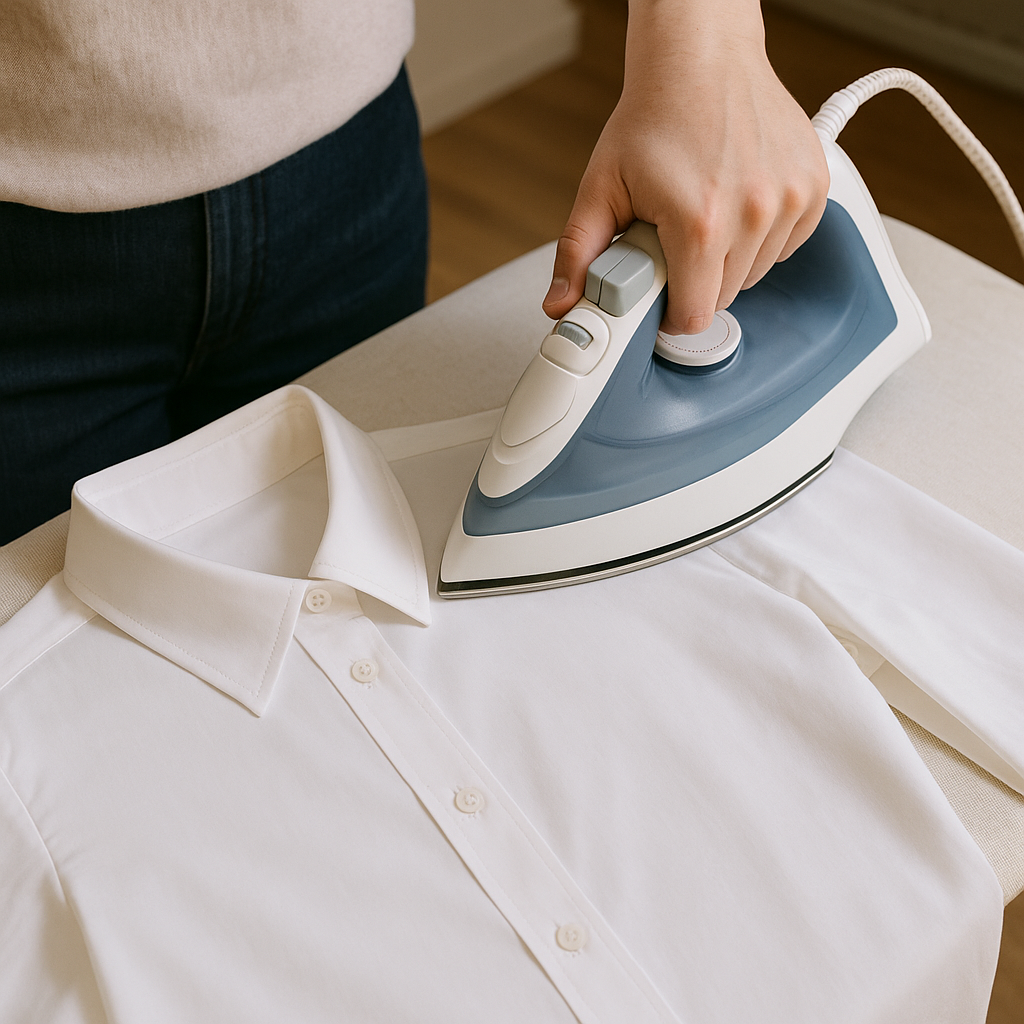
If you want something to look tailored without paying a tailor to wrestle it into shape, start with poplin. It sounds basic, but a good cotton poplin is the closest thing to a cheat code I keep on my cutting table. It has enough body to stand off the skin (so it skims instead of clinging), it takes a sharp press, and it does not collapse into that limp, wrinkly sadness halfway through the day.
Here is the in-the-wild difference: I can make a simple button-front shirt in poplin, stitch a clean collar, hit it with steam, and it stays looking intentional. Do the same pattern in a drapey rayon challis, and suddenly every tiny wobble in your topstitching shows, the placket ripples, and the whole front reads softer and less controlled. Poplin forgives. It also behaves on the machine: it does not creep like a knit, and it does not shift around like a slippery satin. If you have ever tried to keep a seam allowance even while the fabric scoots under the presser foot, you know what I mean.
What I look for at the store: a tight weave you can feel with your fingers, not the paper-thin stuff that turns sheer under bright light. I literally hold it up to a window or my phone flashlight. If I can see my hand clearly through one layer, I know I am signing up for extra layers, extra fuss, and a more finicky fit. If it is going to be a white shirt, I either commit to a camisole or I buy slightly heavier poplin and accept that it will feel more like a crisp menswear shirt. For brand reference, I have had solid luck with fabric-store house poplins when they list the weight and fiber content clearly, and with the kind you find in the shirting section at places like Mood. When you start with a fabric that wants to hold shape, your darts look sharper, your facings lie flatter, and the finished piece reads cleaner even if your skills are still catching up.
Ponte knit for pants that don’t bag out at the knees
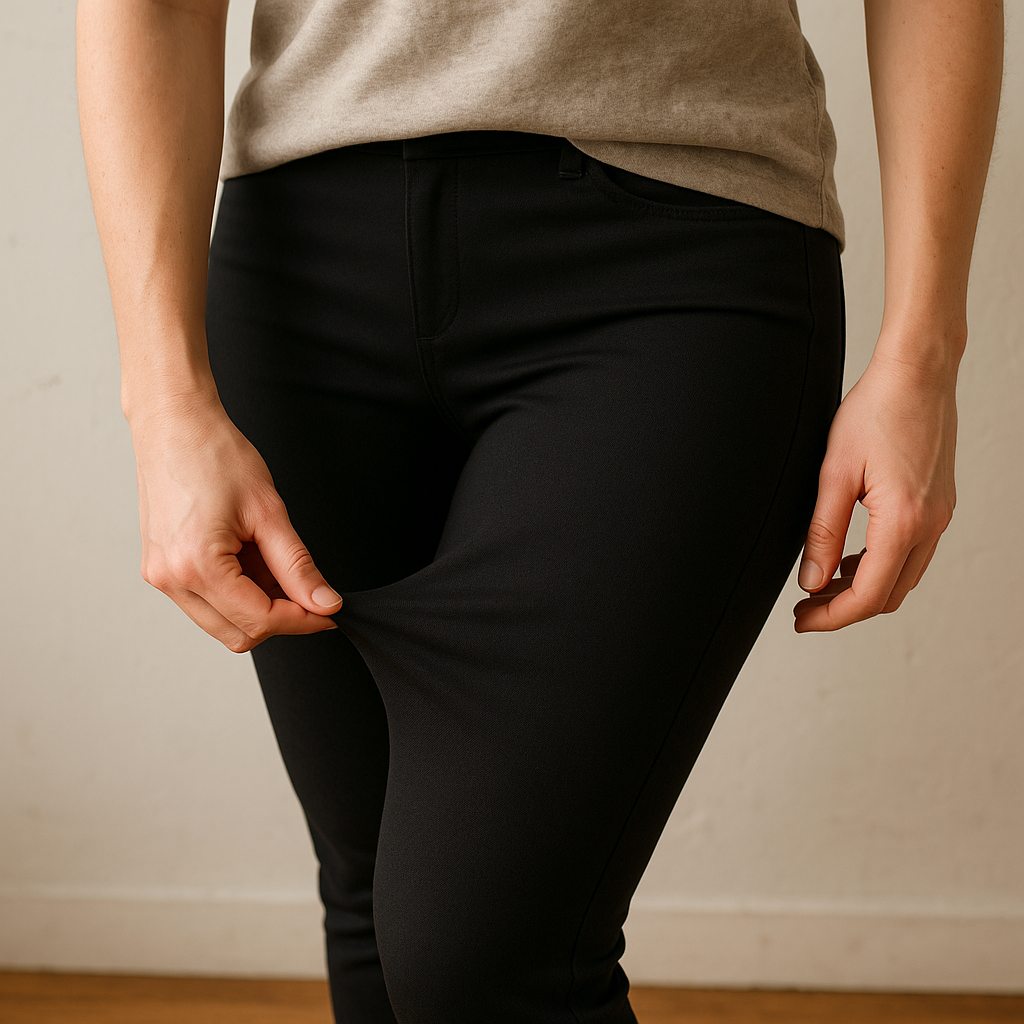
I used to think all knit pants were doomed to look like lounge wear by 3 p.m. Then I started paying attention to which knits bounced back. Ponte is why I will happily sew a slim pant with minimal fitting and still trust it in public. It is a double knit, so it has a little heft and a smooth face, and it does that magic thing where it stretches while you are moving and then returns to shape instead of staying stretched out in the knees.
If you care about fit, ponte is practical in the unsexy way that matters: it hides tiny fit imperfections you would fight in a woven, and it does not highlight every undergarment line like a thin jersey. I have a pair of ponte cigarette pants that have been washed a truly rude number of times. The seamlines still look sharp, and the seat does not sag. That is not because I am a wizard, it is because the fabric is doing half the work.
When you are shopping, don’t just tug it side to side and call it a day. Do a quick recovery test. Stretch a corner about 2 inches, hold it for a few seconds, and let go. If it stays a little wavy or looks tired, keep walking. The better ponte snaps back almost immediately. Also, look at the cut edge. Ponte that curls aggressively can be annoying to sew, especially on narrow hems. A little curl is normal, but if it turns into a tight tube, you will be pinning like your life depends on it.
Two sewing details that make ponte look more “tailored” without extra effort: use a walking foot if you have one (it keeps the layers feeding evenly), and press as you go with steam and a clapper if you own one. Ponte loves a firm press, and it helps seams lie flat instead of looking raised. For hems, I often use a twin needle with the right stretch needle setup, but if your machine hates twin needles, a narrow zigzag works fine. Ponte is one of those fabrics where the finished garment looks more expensive than the yardage price, and that is the whole point.
The $6 lining trick that makes light fabric hang better
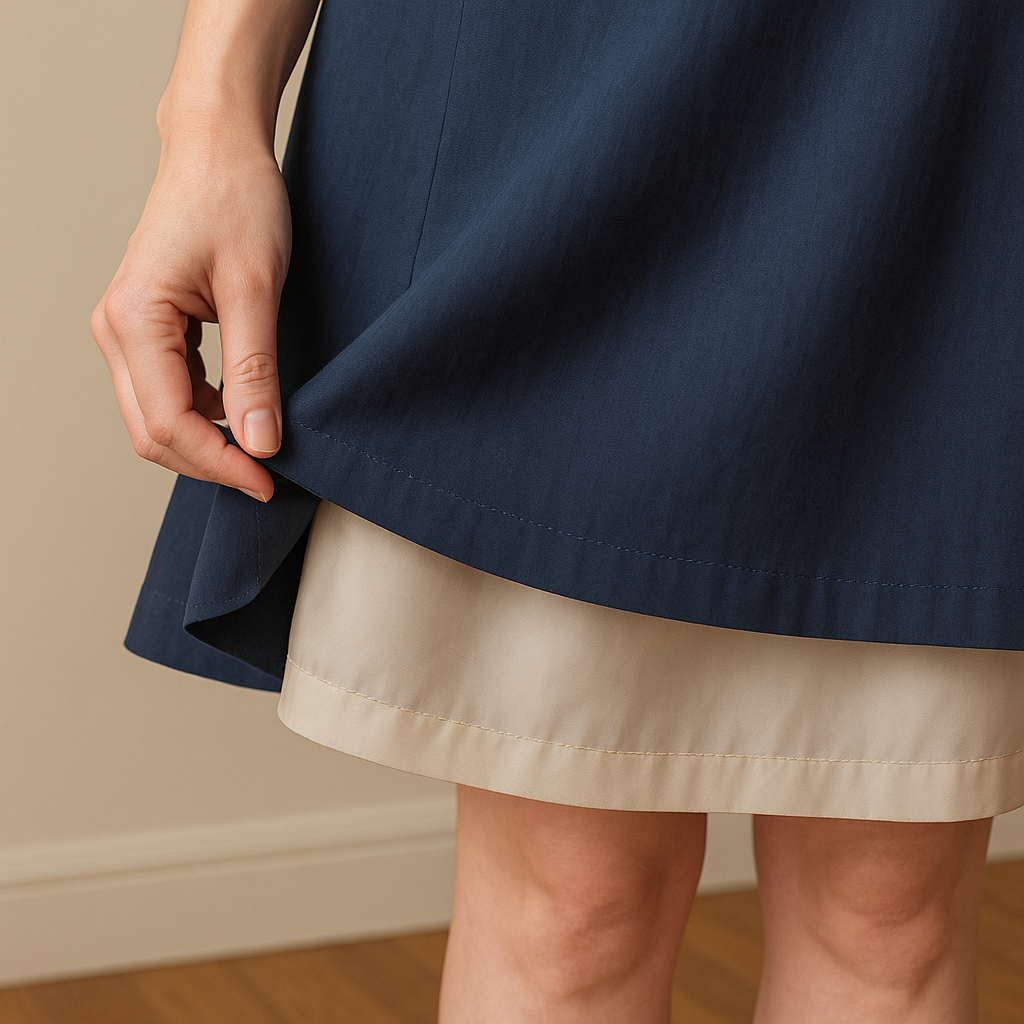
I am going to say the quiet part out loud: sometimes the fabric you want is a little too thin to behave, and the fix is not heroic tailoring. It is adding a lining layer so the outer fabric can do its job. I do not mean drafting a full, fussy lining with bagged edges and a million hand tacks. I mean the kind of low-effort lining that keeps a skirt from grabbing your tights, keeps a dress from flashing every seam allowance, and makes the whole thing hang straighter.
My go-to is a basic slip layer made from inexpensive lining fabric or a simple ready-made slip you can find for about $6 at places like Walmart or on sale racks, depending on the day. If I am sewing, I like plain polyester lining (often sold as “china silk” lining) for skirts and dresses that need glide, or a lightweight knit lining for something with stretch. If I am wearing, I will sometimes just put on the cheap slip and call it done. It is not glamorous, but it is the difference between a dress that clings at the hips and one that hangs clean.
Here is the hands-on part: if the outer fabric is static-prone, I pick a lining with a slicker hand and I avoid anything too grabby like cotton voile as a lining. Voile is lovely, but it can cling in its own way and it can add friction instead of reducing it. For woven skirts, an easy method that works (and does not require couture skills) is treating the lining as its own skirt: stitch it separately, then tack it at the waist seam allowance and at the zipper tape by hand with a few small stitches. You want it anchored so it does not twist inside, but not so attached that it pulls.
Two things I learned the annoying way: first, lining adds warmth. If the garment is for summer, choose the lightest lining you can get away with. Second, lining changes how a hem behaves. If the outer fabric is light and the lining is heavier, the hem can start to show a ridge. I keep the lining hem 1 inch shorter than the outer hem so it stays hidden and does not peek out when I sit. For me, that small layer is less about luxur and more about making a finicky fabric act like it has manners.