
Poplin, ponte, and a structured rayon blend: the three yardages I reach for when I want polish without paying for it.
Crisp cotton poplin for shirts that stay sharp
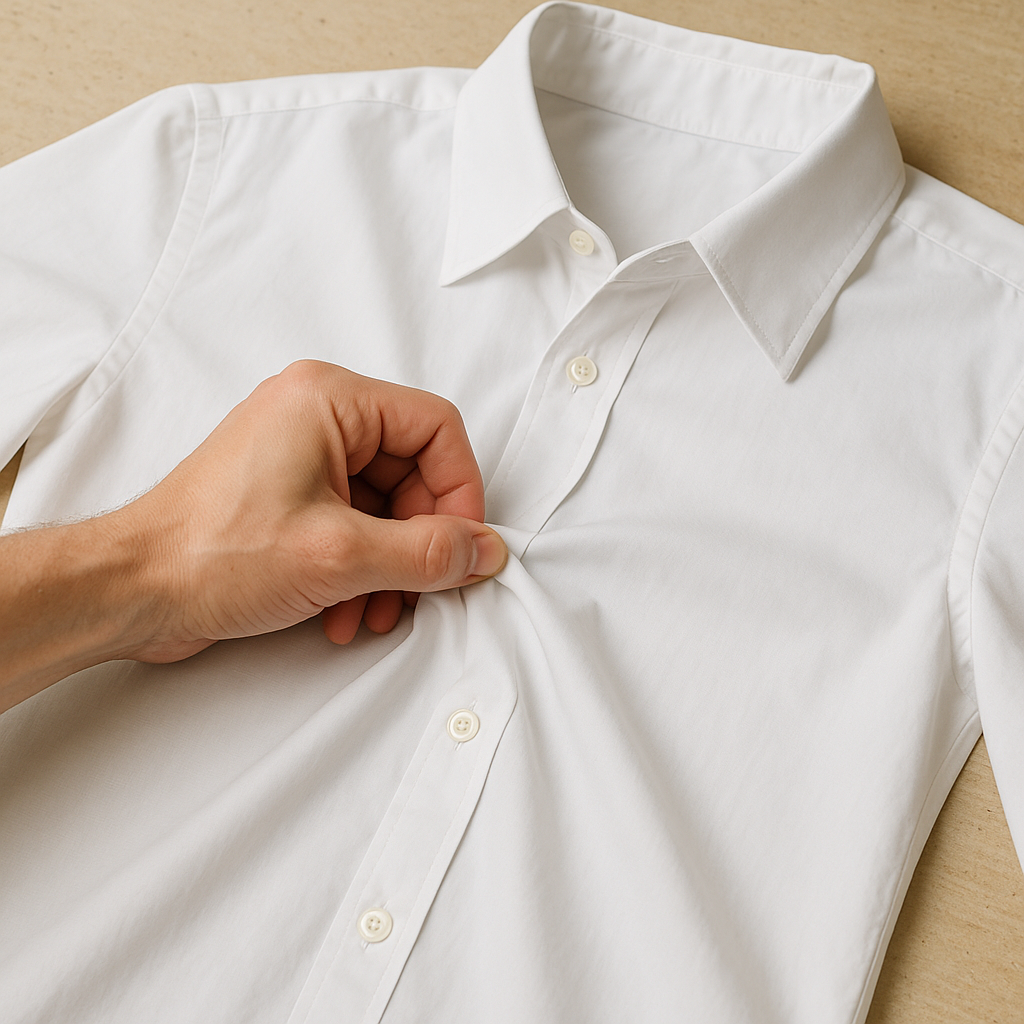
I buy cotton poplin when I want that clean, deliberate look you see in the outfit formulas you can build around one sharp shirt and repeat all week. The reason is simple: poplin holds a crease and a collar without getting crunchy. It looks pressed even when it is only sort-of pressed. If you have ever tried to do the same job with a thin cotton voile or a cheap broadcloth, you know the feeling. The collar collapses by lunchtime, the placket ripples, and suddenly the whole outfit reads “laundry day” instead of put together
When I am shopping by the yard, I do two checks in the store aisle. First, I scrunch a corner hard in my fist for five seconds and let it go. Good poplin will relax with a few shallow wrinkles, not a permanent crumple map. Second, I run it between my fingers and listen. That little dry sh sound is what I want; if it is silent and limp, it tends to look limp on the body too.
What I make (or look for ready-made) is boring on purpose: a button-front, a camp shirt, a popover. Poplin makes basics look intentional. I like it in white, pale blue, and narrow stripes because it plays well with denim, trousers, and even a slip skirt without looking fussy. If you are sewing, a size 70/10 or 80/12 universal needle and a standard 2.5 mm stitch length behave nicely, and the fabric feeds evenly without that stretchy “why is my seam wavy” drama.
If you want the expensive version of this story, look at Italian shirting poplin. If you want the normal-person version, look for shirt-weigh poplin at JoAnn, Fabric Wholesale Direct, or deadstock sellers on Etsy, and read the fiber content. I skip anything that is mostly polyester labeled as poplin. It can look shiny in flash photos and it loves to cling when you are warm.
Ponte knit for pants that don’t bag out
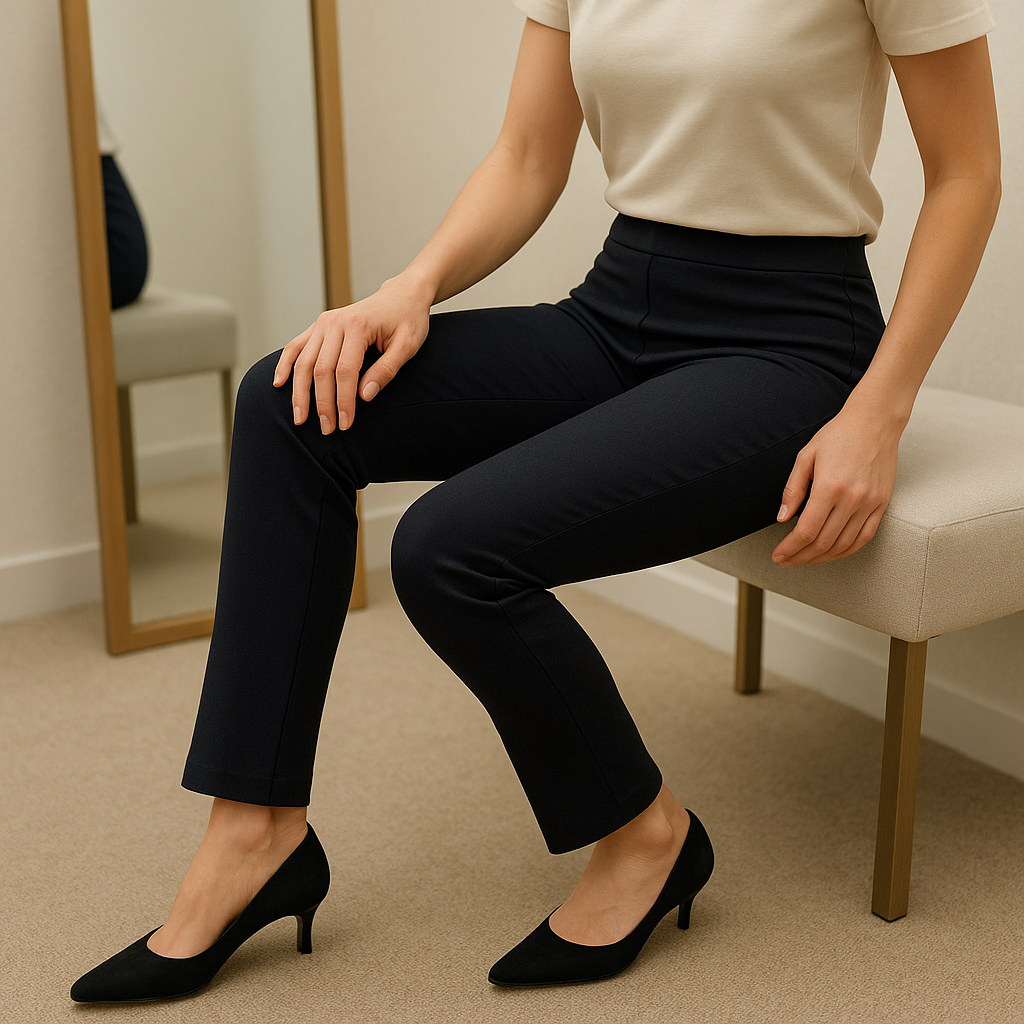
Ponte is the knit that behaves like it has manners. It is still comfortable, but it does not collapse into knee bags the second you sit down, and it does not telegraph every seam and pocket like a flimsy jersey. If you have ever tried on a pair of pull-o pants that looked fine in the mirror and then turned into shiny, stretched-out sausage casings by hour three, you already get why I stockpile ponte.
In my closet, ponte is the workhorse for the outfit formula that goes: sleek pants, simple top, better shoe. It is boring. It is repeatable. And it looks like you tried harder than you did. I reach for a dark navy or charcoal ponte first because black can show lint and pet hair like it is its job.
Here is how I choose ponte when I cannot try it on (which is most of the time when you are buying fabric). I stretch it gently crosswise and then let it snap back. You want recovery, not just stretch. Then I hold it up to the light. A good ponte is not sheer, even in lighter colors, because it is usually a double-knit. Finally, I rub two layers together. If it feels squeaky and grabs, it can pill where your thighs rub. A smoother hand usually wears longer.
For sewing, ponte is forgiving in the best way. I use a ballpoint needle (80/12 is my default) so I am not cutting threads, and I press seams with steam and a press cloth because ponte can get a shiny spot if you park the iron too long. I also like it for quick, low-drama upgrades: swapping a flimsy pant for a ponte version instantly makes a blazer look more expensive. And if you are shopping ready-to-wear, search item descriptions for rayon/nylon/spandex pont or viscose pont and run the same test in the fitting room by sitting down for one minute. If the knees already look tired, leave them there.
A structured rayon blend for dresses that don’t cling
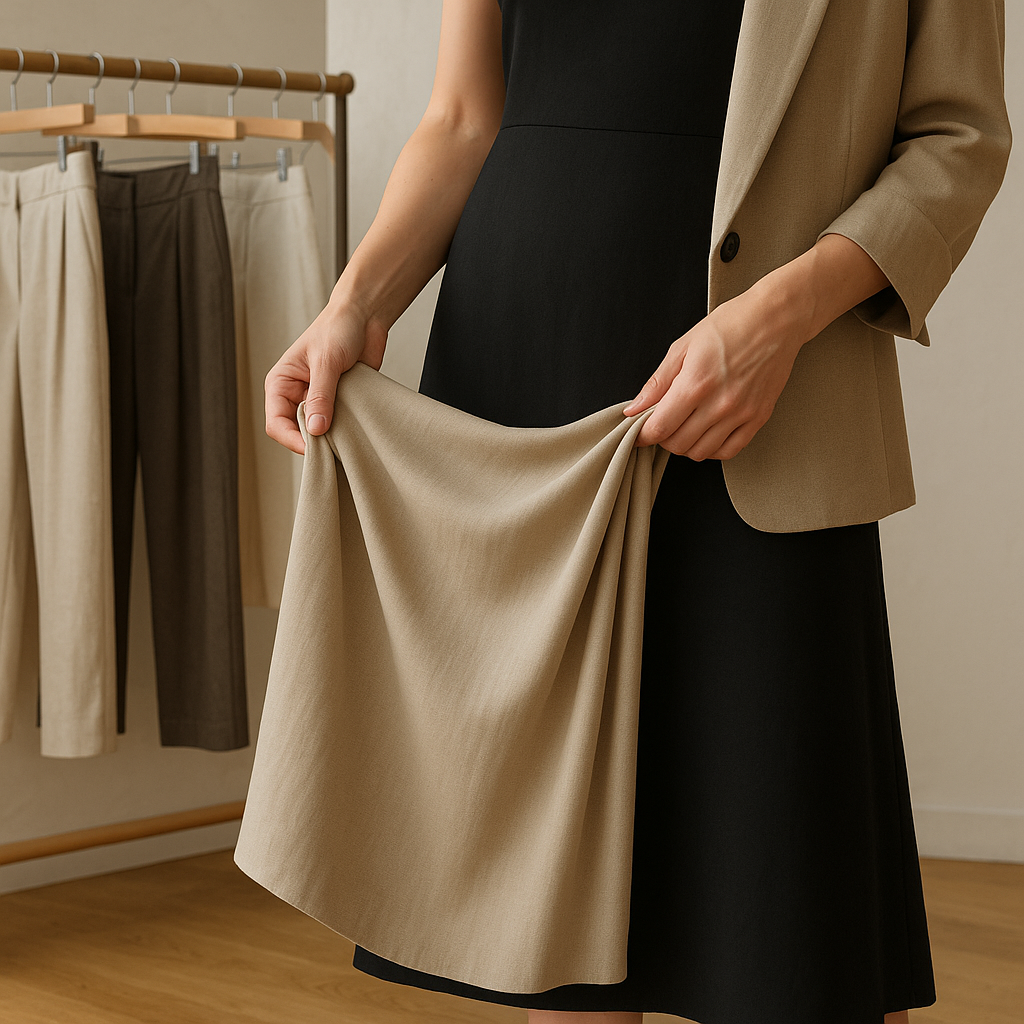
I like rayon, but I do not like the rayon that behaves like a sad T-shirt. The trick is buying a structured rayon blend, not the whisper-thin stuff that clings to tights, catches on static, and shows every pocket outline. When the blend is right, rayon does that expensive han you see in nicer midi dresses and wide-leg trousers. It moves when you walk, but it does not plaster itself to you when you stop.
My personal sweet spot is rayon blended with linen or a little nylon, sometimes with just a touch of spandex. Rayon-linen in particular gives you that dry, matte surface that reads elevated in photos, and it is cooler in summer than a lot of synthetics. The downside is wrinkles, but the wrinkles look intentional in a way that cheap polyester creases never do.
In the store, I do the skirt tes even if I am holding a bolt. I drape a full width over my forearm and shake it once. If it falls in soft vertical folds instead of clinging to my skin, it is a contender. Then I pinch the fabric between thumb and forefinger and roll it. If it feels papery and makes a harsh crinkle, it can sew up stiff and awkward. I want fluid with a little body, like it is willing to skim.
This is the fabric I buy when I am building outfits around one piece that does the heavy lifting: a simple slip-style dress with a jacket on top, a pull-on skirt with a tucked tee, a wide-leg pant with a tank and a belt. If you sew, take your time cutting it. Rayon likes to shift on the table, so I use pattern weights and a rotary cutter when I have one, or I pin like a maniac when I do not. And prewash it the way you plan to wash it forever, because rayon can shrink. I would rather find that out before I hem a dress and then watch it crawl up my legs after one cold wash.