
Three transition-season routines: petrolatum sealing, a panthenol reset, and a sunscreen swap that stops the flaky-shiny cycle.
Petrolatum: the 10-second seal that stopped my windburn
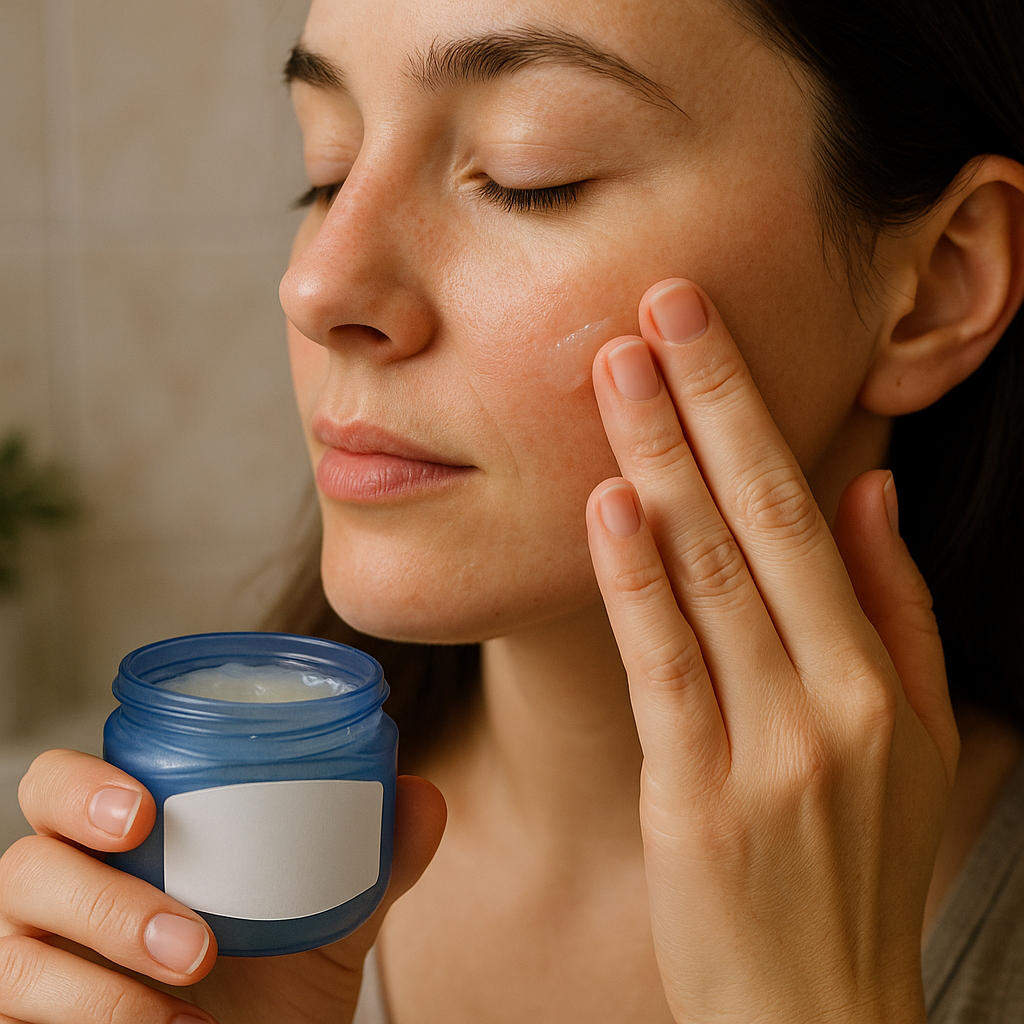
I used to treat that first cold front like a product emergency. I’d throw a heavier cream on, then wonder why I woke up with clogged pores around my nose and still had flaky cheeks. What finally worked for me was boring and tiny: a thin seal of plain petrolatum over the spots that get angry first. Not all over my face, not as a thick layer, and not on nights when I’m already oily. Just a rice-grain amount warmed between fingertips and pressed onto the cheekbones, the sides of my mouth, and the little crease where my nostrils meet my face (that area always cracks on me when the air dries out).
My order matters. I cleanse gently (if I’m wearing makeup, I use a basic cleansing balm or micellar water first, then a mild, non-foaming cleanser). I put my moisturizer on while my skin is still slightly damp, wait maybe a minute, then do the petrolatum last as a topcoat. If I do it on a dry face with no moisturizer underneath, it just sits there and feels greasy, and my face still feels tight by morning.
Two notes from doing this a lot: petrolatum doesn’t add water to your skin, it just slows down water loss, so you still need a decent moisturizer under it. And I skip my stronger actives the same night I seal (no retinoid, no exfoliating acids), because the whole point is calming things down, not testing my luck. It sounds fussy, but it’s basically: moisturize, then dab. My cheeks stop stinging in the wind within a day or two, and I don’t get that weird mid-day mix of flakes and shine that makes foundation look like it’s separating.
The panthenol reset when everything suddenly stings
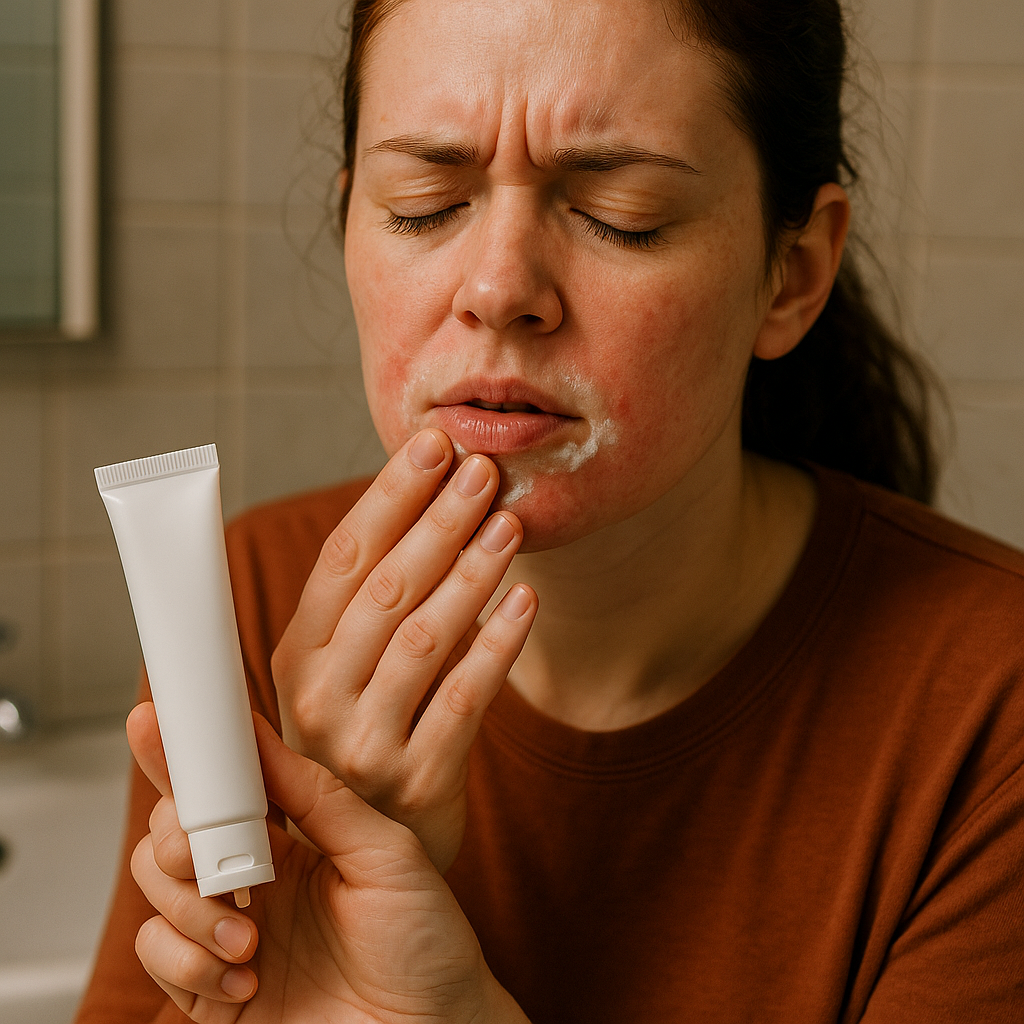
My tell that the season is shifting isn’t dryness. It’s the sting. The same gel cleanser I’ve used for months suddenly makes the area around my mouth burn for five seconds, like I just brushed my teeth with peppermint and got it on my face. If I push through that feeling with my normal routine, I get a full week of weirdness: redness that looks like I tried a new peel, makeup that won’t sit, and random tight patches that show up at 3 p.m.
So I do what I call a reset: three nights where I keep it painfully simple and let my barrier catch up. I cleanse once (and if I can get away with just rinsing in the morning, I do). Then I use a moisturizer I know is bland, and on top of that I use a panthenol-heavy balm on the areas that sting. La Roche-Posay Cicaplast Baume B5 is the one I’ve repurchased because I can find it at Target or the drugstore, and it behaves under a thin layer of moisturizer without pilling on me. I don’t use a thick smear. I use a pea-sized amount for my whole face, then go back and tap a little more around my mouth and the sides of my nose.
During the reset I pause anything that has a reputation for being “helpful” but spicy: retinoids, benzoyl peroxide, strong vitamin C serums, exfoliating toners, and scrubby cleansing devices. I also stop trying new stuff, because transition season is when you can’t tell if you’re reacting to a product or just reacting to the weather and indoor heat. By night two, the sting is usually gone. By night three, my face stops feeling like it has a sunburn in places it shouldn’t.
The most practical part: this is one of the few times spending a little more on a single, multipurpose tube makes sense, because I use it on cuticles and a chapped spot under my nose too. I keep it in the same drawer as my cleanser so I don’t “forget” and decide to test an active instead.
Sunscreen swap: why my dewy SPF failed in October
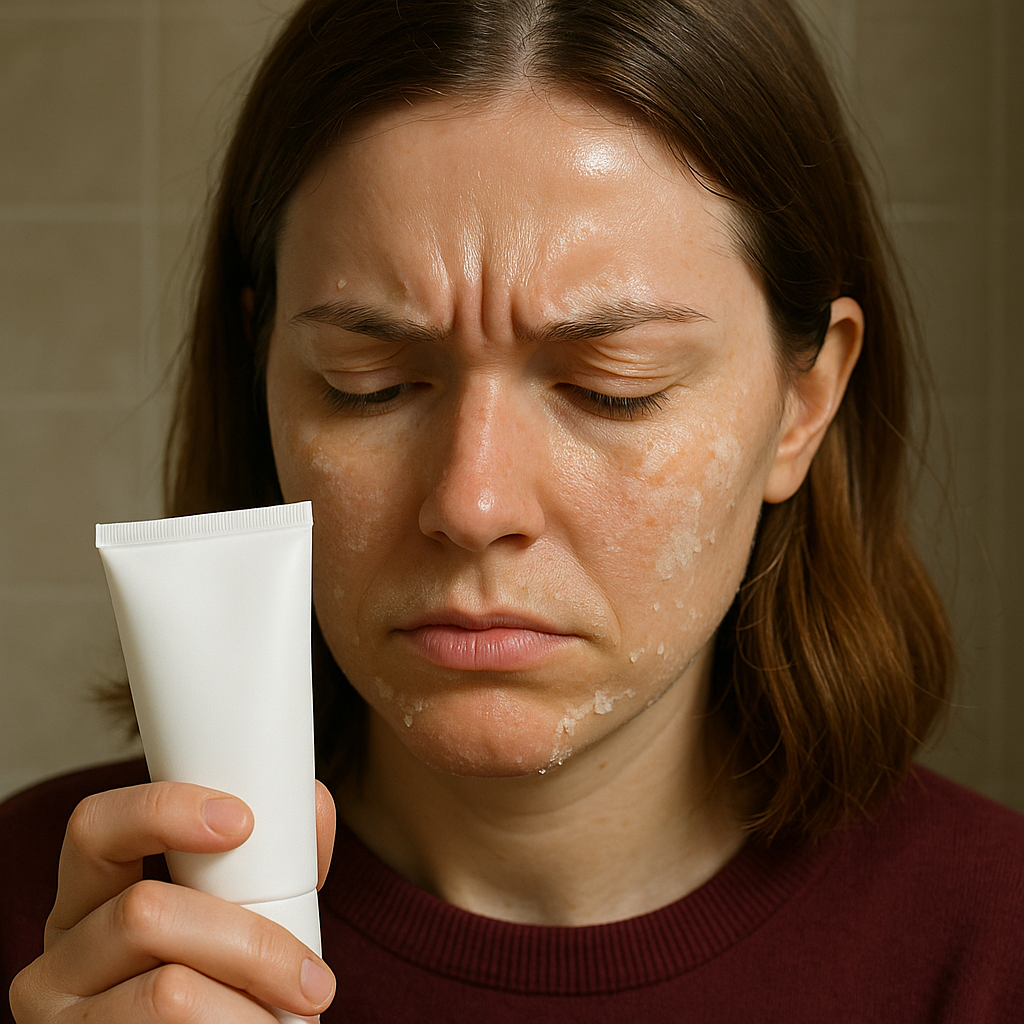
My most annoying seasonal transition problem isn’t at night. It’s 9 a.m., when I’m trying to get out the door and my sunscreen suddenly turns my face into a geography map: shiny forehead, flaky cheeks, and little rolled-up bits at my jawline if I dare to put makeup on top. In summer, I can use a glowy, dew sunscreen and it looks fresh. When the air gets drier (and I start sitting under heating vents), that same formula clings to texture and never really sets. The fix for me wasn’t buying a fancier serum. It was changing the finish of my SPF.
I keep two sunscreens around and rotate based on what my skin is doing. When the weather flips, I reach for a more film-forming, dry-touch type sunscreen that sets down and doesn’t stay tacky. Neutrogena Ultra Sheer Dry-Touch is an easy example because it’s everywhere, but the point is the feel: it dries, it doesn’t stay greasy, and I can put concealer on without everything sliding around. If you’re sensitive, pick whatever your face tolerates, just aim for a set-down finish rather than a luminous one.
Application is where most of my pilling came from. I was layering like it was still humid: hydrating serum, rich cream, then sunscreen, then makeup. Now, on transition days, I do fewer layers in the morning. If my face feels tight, I use a light moisturizer and let it sit for a couple of minutes before sunscreen. If I don’t need it, I skip it and just use the sunscreen as my morning moisturize layer. I also stop rubbing the sunscreen in forever. I dot it, spread it, then pat around my nose and mouth where flaking shows.
One safety thing I don’t mess with: I don’t try to stretc sunscreen by using less because I’m not outside as much. UV doesn’t care that it’s sweater season. If a sunscreen is making you look terrible, it’s not a sign to quit wearing it, it’s a sign to switch to one you’ll apply the right amount of without hating your face all day.