
Three small routines that keep pre-owned finds fresh, wearable, and out of the landfill: bag-wash triage, sweater rehab, and shoe deodorizing.
My two-bag laundry triage for secondhand finds
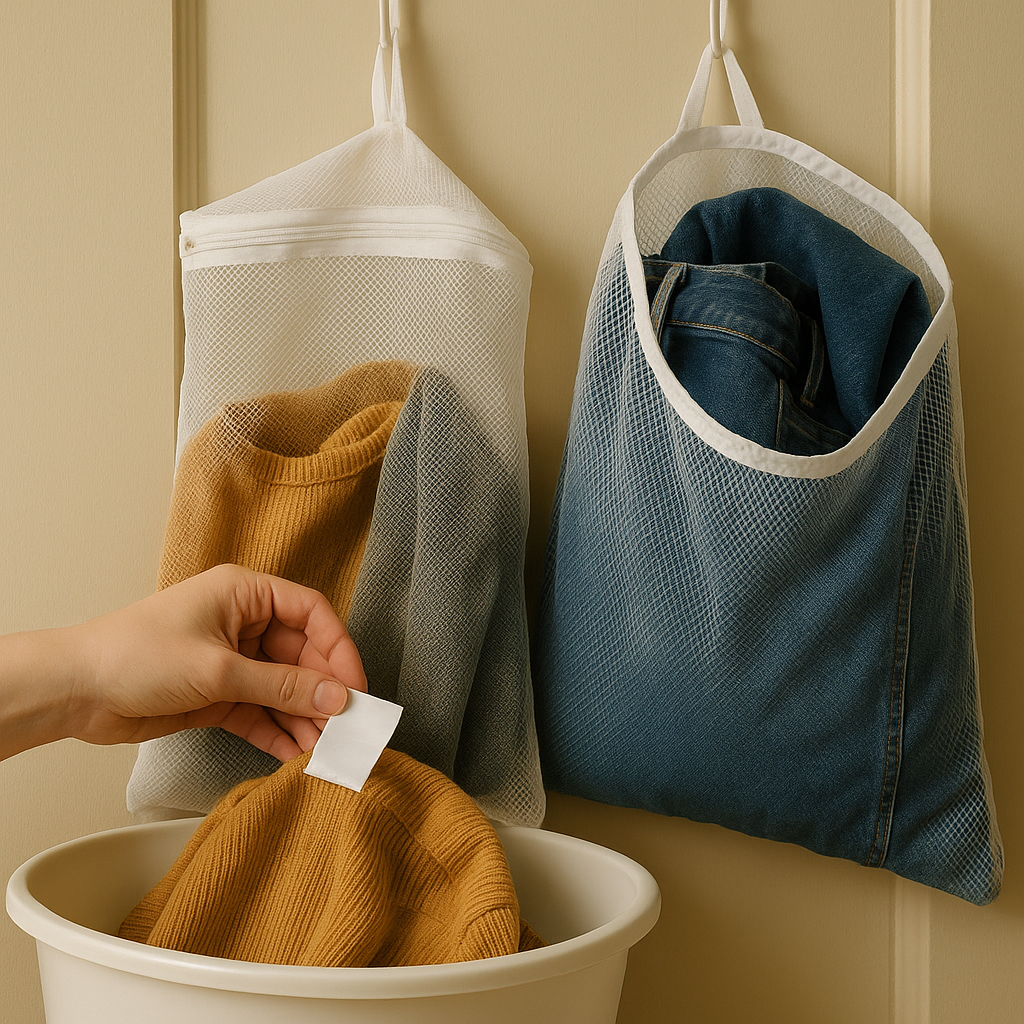
I keep two mesh laundry bags hanging on the back of my laundry door: one fine mesh (for knits, bras, anything with delicate stitching) and one bigger, sturdier mesh (for jeans, canvas, sweatshirts). When I come home with a secondhand haul, I do a quick tag check and a quick fabric feel, then I sort into those two bags before anything touches my everyday hamper. It sounds precious, but it stops the classic thrift problem where a zipper teethes through a lightweight top, or a sequined neckline chews up a sweater sleeve in the wash and you only notice when you pull it out like a crime scene.
The sustainable win here isn’t performative. It’s practical: if the first wash destroys a garment, it doesn’t matter that you save it from a landfill for half an hour. My routine is simple: turn items inside out, zip zippers, tie drawstrings, and button anything that has buttonholes. Then everything goes into a bag, even stuff that seems sturdy. I wash cold on gentle with a normal amount of detergent (I don’t try to outsmart laundry chemistry), and I skip fabric softener because it can leave a waxy feel on some thrifted synthetics.
Drying is where I see the most preventable damage. Anything with stretch, anything ribbed, and anything that feels like it could grow an inch if you blink goes on a drying rack. I learned this the annoying way, with a thrifted ribbed tee that went from perfec to “cropped for a teenager” in one tumble. If you only adopt one habit from this whole piece, make it the mesh bag. It’s a tiny tool that keeps preloved clothes in circulation longer, which is kind of the point.
Sweater shaver + de-pilling rules I swear by
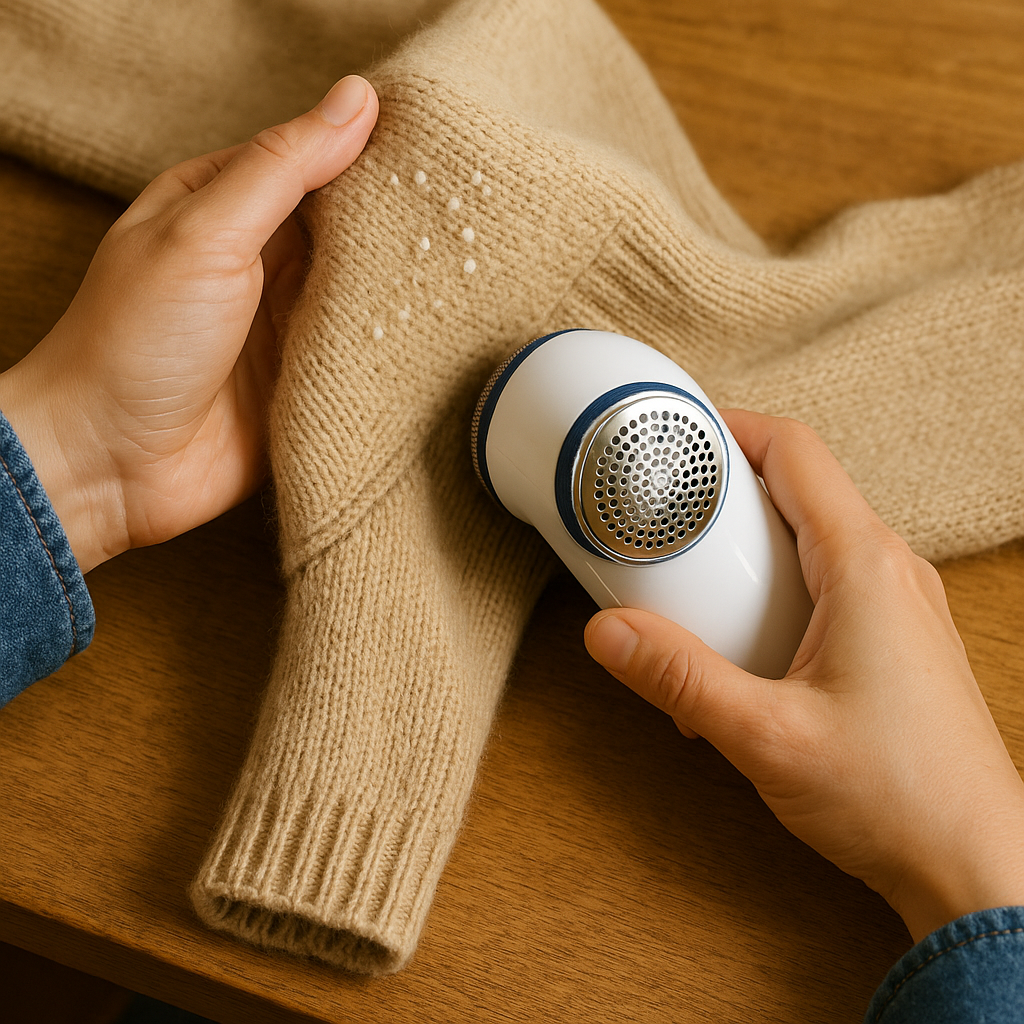
There’s a specific moment in the thrift aisle when I flip a sweater sleeve over and see the little pill clusters at the underarm. Half the shoppers read that as old I read it as “ten minutes and it looks new again.” The difference between a sweater that looks tired and one that looks intentionally cozy is usually just de-pilling, and it is one of the easiest ways to extend the life of what you already own.
I keep two tools: a fabric shaver (the electric kind with a guard) and a manual pill remover like a Gleener. Here’s how I decide which one to use. If the knit is tight and smooth, like merino or a fine cotton blend, I use the electric shaver on the lowest setting and I barely press. If the knit is looser, fuzzy, or has a halo (think mohair blends or anything that looks like it could snag on a hangnail), I skip the electric shaver and use the manual tool, slow and flat, so I don’t shear off the surface texture that makes it pretty in the first place.
The rule that keeps me from ruining sweaters is boring: stretch the fabric over something firm. I use my forearm, a folded towel, or the thigh of my jeans while I’m sitting. If the fabric is slack, pills don’t shave cleanly, and you end up with little catches that look worse than the original problem. I also do one section, then stop and shake the sweater out, because the fuzz builds up fast and you can fool yourself into thinking the sweater is still pillin when it’s just lint sitting on top.
When I’m done, I don’t toss the sweater back in the closet. I fold it, not hang it, and I store it with cedar blocks (not perfumey sachets) so moths aren’t invited to the party. I like cedar because it doesn’t coat the fibers with a smell that takes three washes to leave. This is the unglamorous side of sustainable style: you buy the secondhand sweater, and then you take care of it like it cost you more than it did.
The quarantine shelf: shoes, bags, and the smell problem
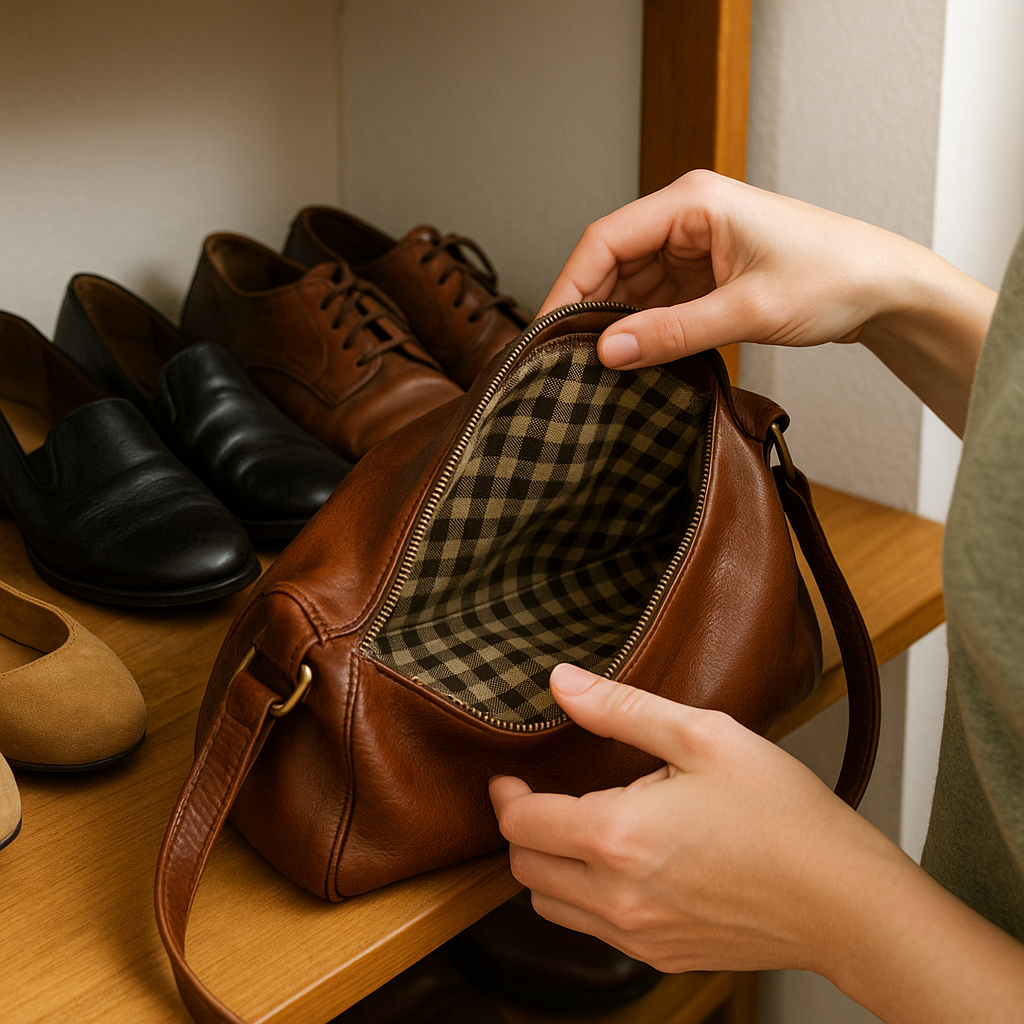
Not everything I bring home from a secondhand store goes straight into rotation. Shoes, leather bags, and anything that can’t be laundered easily goes on what I call my quarantine shelf. It’s not dramatic, it’s just a practical pause so I can deal with odors and do a careful check in good light without rushing because I’m excited about my score
First, the honesty part: you can’t confirm an item is pest-free with a quick sniff test, and I’m not going to pretend you can. What you can do is inspect and decide your own risk tolerance. I look along seams, inside pockets, under insoles, and around folds where debris collects. If something has unexplained specks, shedding, or crusty residue in hidden spots, I don’t try to rescue it. I return it (if the store allows) or I let it go. Sustainable doesn’t mean you have to turn your home into a rehabilitation center for every questionable find.
For the stuff I keep, the quarantine shelf is mostly about the smell problem. Shoes go in an open area to air out for a couple days, then I use either baking soda overnight (in a paper towel packet so it doesn’t get everywhere) or charcoal deodorizer pouches. Bags get wiped down inside with a slightly damp cloth and a drop of mild soap, then I leave them unzipped so the interior isn’t a closed little odor terrarium. For leather, I keep it gentle: no soaking, no harsh sprays. If a bag still smells like someone else’s perfume after a week, it’s usually not worth fighting.
The unsexy truth is that this shelf is the reason I can thrift more often without my closet turning into a jumble of projects It keeps the wins wearable, it keeps my standards high, and it keeps me from re-donating something out of frustration a month later.