
From crotch length to thigh taper and rise tweaks, these are the fitting moves I use when athletic legs blow out the usual size chart.
Check the front rise before you blame your thighs
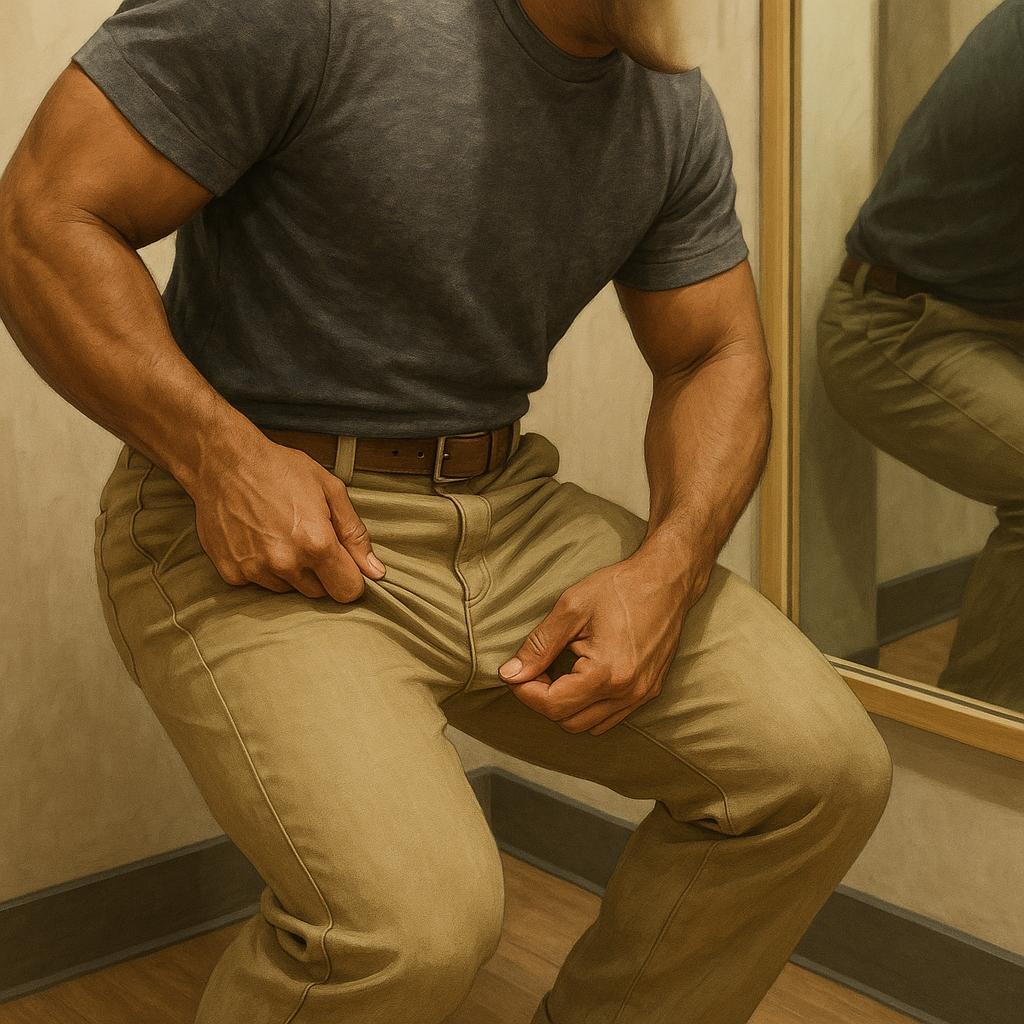
I used to assume every pair of pants that fought my quads needed a bigger thigh. Then I started paying attention to where the tension line starts when I sit. If the fabric goes tight right at the front crotch and pulls down in a hard V toward the inseam, that is often a rise/crotch length issue, not a thigh circumference issue. Athletic builds tend to hit this because the seat and thighs take up space, and a too-short front rise tries to steal it back by climbing and binding.
Here is the fitting check I do in a dressing room with nothing but a mirror and my hands: pull the waistband up to where you want it to live, then slide two fingers under the front waistband and squat halfway. If the waistband immediately bites and the crotch feels like it is being yanked forward, the rise is short for you. Now do the opposite: keep the waistband where it is and tug the fabric at the front crotch down about 1 inch. If that little tug suddenly gives your thighs room, you are chasing the wrong alteration.
What I ask a tailor for is specific: “I need a bit more front crotch length so the pants don’t pull when I sit.” On some trousers, they can drop the crotch slightly by letting out the inseam at the top if there is seam allowance. On others, the practical move is choosing a cut that already has more rise (athletic fit chinos, higher-rise denim) instead of forcing a low-rise pattern to behave. I have had the best luck starting with brands that offer an athletic block, like Levi’s 541 or J.Crew’s athletic chino, then tailoring the leg. You cannot tailor extra fabric into a rise that is missing, but you can avoid buying the wrong fight in the first place.
Thigh taper that keeps the knee from twisting
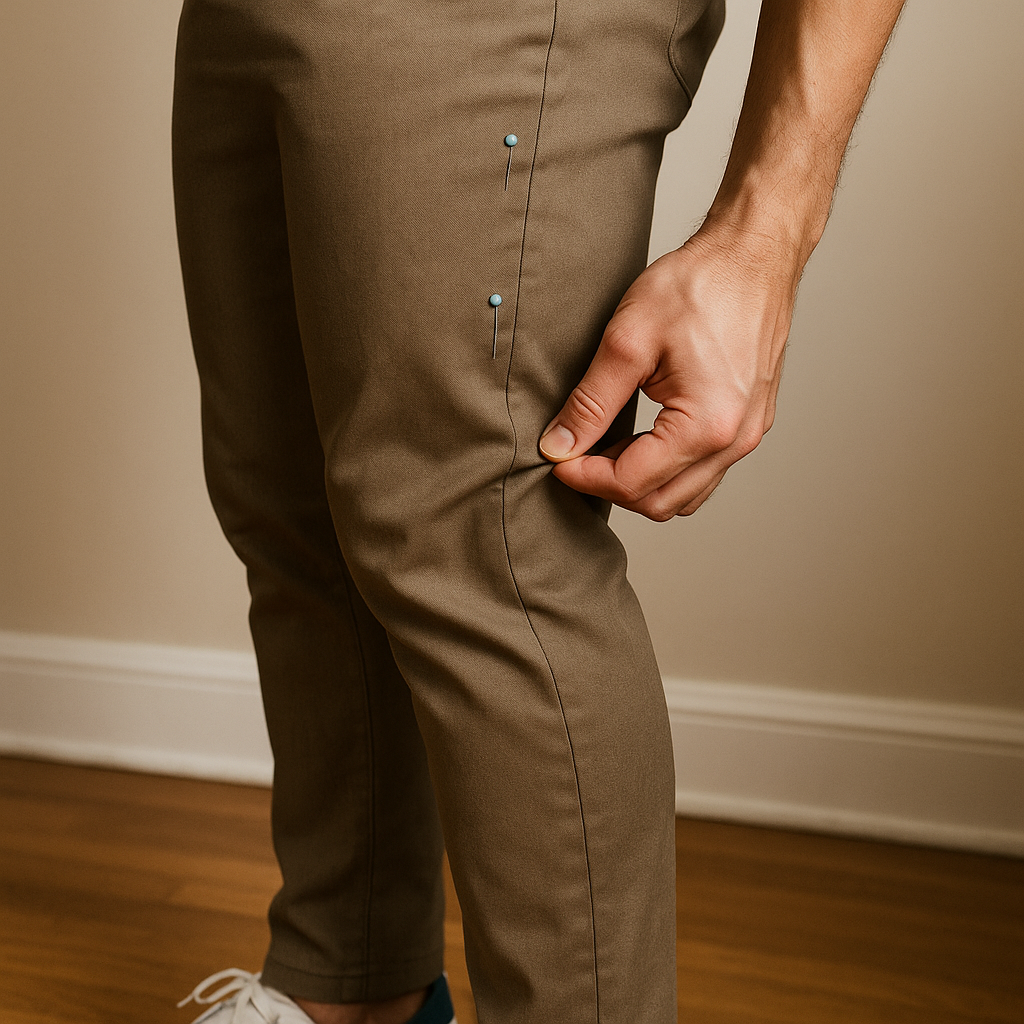
My most common “athletic build” problem is this: pants that fit my thighs in the fitting room look sloppy from mid-thigh down, so I taper them, and then the knee starts doing that annoying twist thing when I walk. It feels like the inseam is trying to migrate to the front of my leg. That is almost always a taper that was taken too aggressively from one seam, or taken too high without respecting where my quad actually ends.
When I pin a taper at home to preview it (no sewing yet), I do it standing straight, feet hip-width, and I only start pinching fabric below the widest part of my thigh. On me, that wides point is higher than most pattern makers assume, so starting the taper too high creates drag lines right across the lower quad. If you want a cleaner line without choking your legs, ask for a taper that begins just above the knee, not mid-thigh, unless the pants are truly ballooning.
In tailoring terms, I ask for the taper to be spli between inseam and outseam when possible. Taking everything from the inseam can rotate the leg, especially on chinos and trousers where the outseam is already shaped. A good tailor will also keep the knee area proportional, not just chase a skinny ankle opening. I bring the shoes I wear most (bulky sneakers vs. slim loafers changes the hem and the perceived taper), and I ask to try the basted leg on and walk around the shop. You can tell in ten steps if the grain is pulling and the knee is twisting.
This is one of those alterations where the little details matter: pockets should still lie flat, the crease (if it is a trouser) should still run straight, and the inside of your calf should not feel like it is rubbing seam allowance. If the tailor talks about keeping the pitc of the leg, that is a good sign they understand athletic proportions. If they just say “sure, we can skinny it,” I slow down and get more specific before they cut anything.
Shorts that gap at the waist without crushing your seat
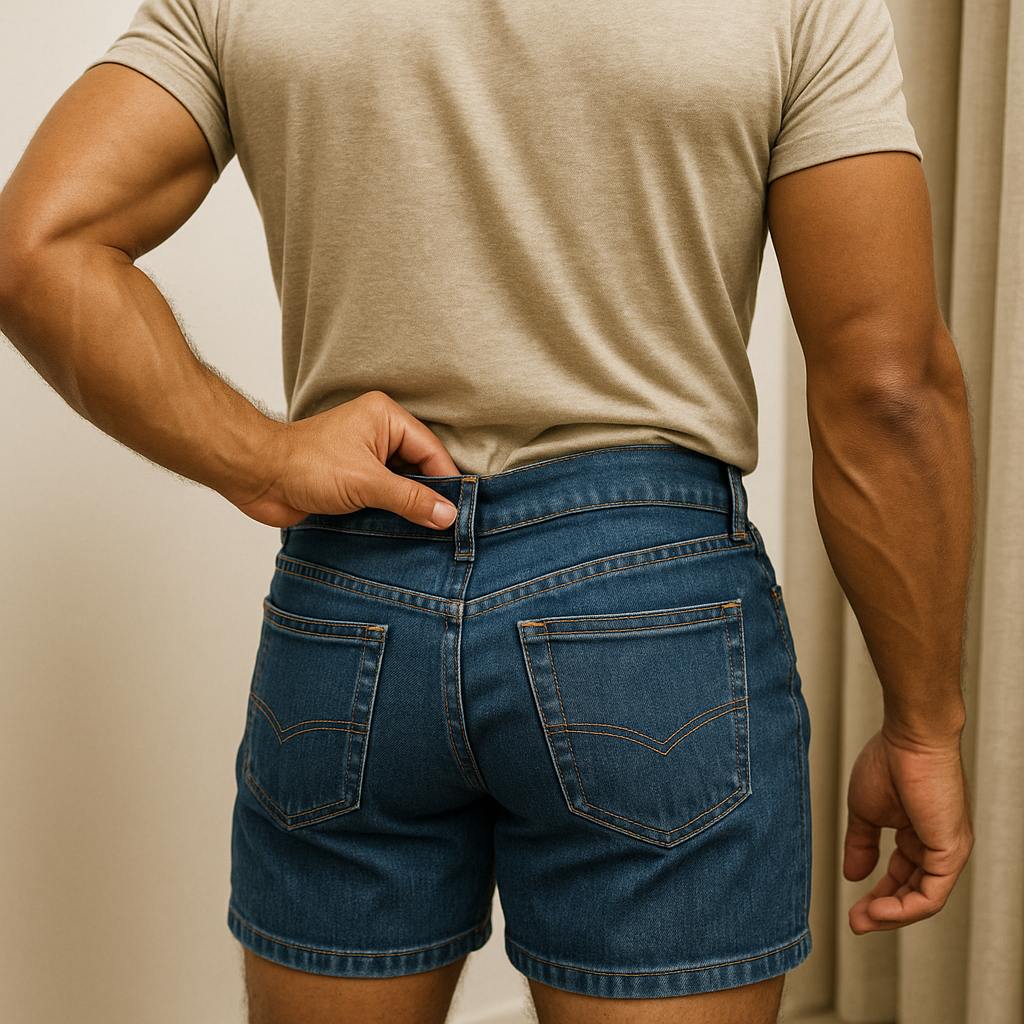
Every summer I watch people with strong glutes and quads do the same uncomfortable compromise: buy shorts that fit the legs and live with a waistband that stands off their back, or size down to fix the waist and then lose circulation. I have done both. Neither is good. The cleanest fix, when the shorts already fit your seat and thighs, is a waistband reduction that is done in a way that does not steal room from the back rise.
What it looks like in real life: you put the shorts on, buttoned, and pinch the excess at the center back. If you can pinch 1 to 2 inches and the side seams still sit straight, a tailor can usually take that out at the back seam or with small darts, depending on the waistband construction. (Darts are common on trousers; many casual shorts do better with a center-back seam take-in.) The point is to remove circumference at the waistband while leaving the hip and seat intact.
Two things I learned the hard way: first, ask them to preserve the back pockets’ placement. If they take in too much through the pocket area, pockets can drift inward and look oddly close together. Second, if the shorts have a yoke (common on denim), that yoke seam is doing a lot of shaping work. A good alteration uses it, not fights it, and will keep the yoke level so the waistband does not tilt.
I also bring a belt I actually wear and do a sit test in the fitting. If the waist is reduced too much without adjusting how it sits, it can feel fine standing and then dig in the second you sit down, especially after a meal. The goal is boring: shorts that stay put when you walk, no back gap when you bend over, and no tight diape feeling in the seat. When that happens, you stop thinking about your clothes, which is the whole point.