
Three swaps I keep coming back to: a $25 vitamin C, a $12 niacinamide, and a $20 peptide that behave like the fancy stuff on my face.
The vitamin C dupe that doesn’t fry my face
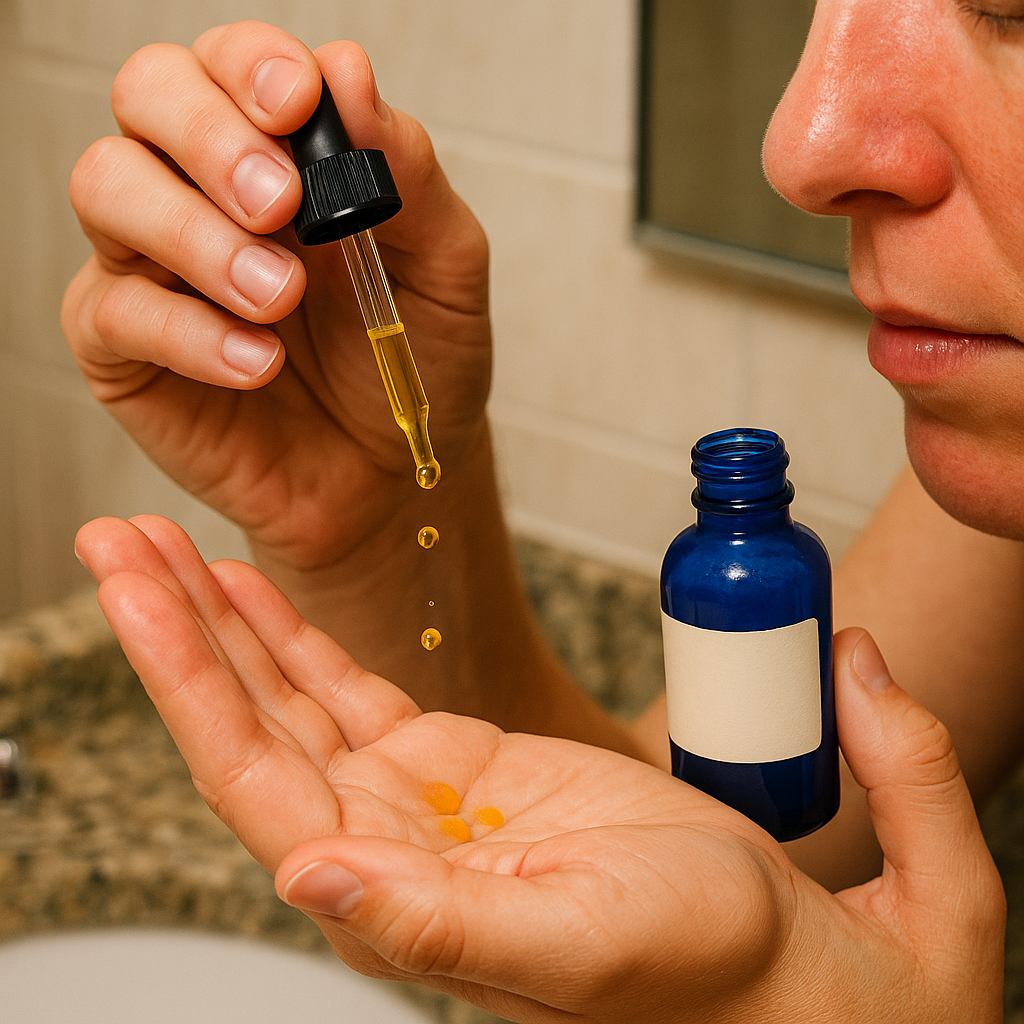
I used to buy a $300 department-store vitamin C serum because I assumed the price was protecting me from irritation. Then I noticed something dumb: the bougie bottle would still turn darker in my bathroom cabinet by the end of the month, and my skin would still do that tight, slightly spicy thing around my nostrils if I got ambitious with two pumps.
The swap that stuck for me is Timeless 20% Vitamin C + E Ferulic. It scratches the same itch as the high-end stuff because it has the same recognizable backbone: L-ascorbic acid, vitamin E, and ferulic acid. The difference is I treat it like the fussy ingredient it is. I keep it in the fridge door, I decant a little into my palm, and I use 3 to 4 drops, not a full dropper. On my face, I can tell when I’ve crossed the line: my cheeks look shiny in a plasticky way and sunscreen pills on top. With the right amount, it sinks in and my moisturizer slides on like normal.
Two practical things I do that make this feel like a real swap in real life, not just on an ingredient list. First, I apply it to fully dry skin after cleansing, then I give it a minute before anything else. If I rush and slap on hydrating toner right after, I get that prickly feeling. Second, I separate it from my stronger nights. If I’m using a retinoid later in the week, I don’t try to prove a point by layering both in one routine. I want an even complexion, not a red face and a moral victory.
Also, ignore the temptation to keep oxidized vitamin C out of stubbornness. Color and smell can tip you off that it’s turning, but they can’t guarantee it’s still fine. If it goes noticeably orange or starts smelling like hot dog water, I toss it. Painful, yes. Still less painful than pretending a $150 bottle is a sacred object.
Niacinamide is where luxury pricing gets silly
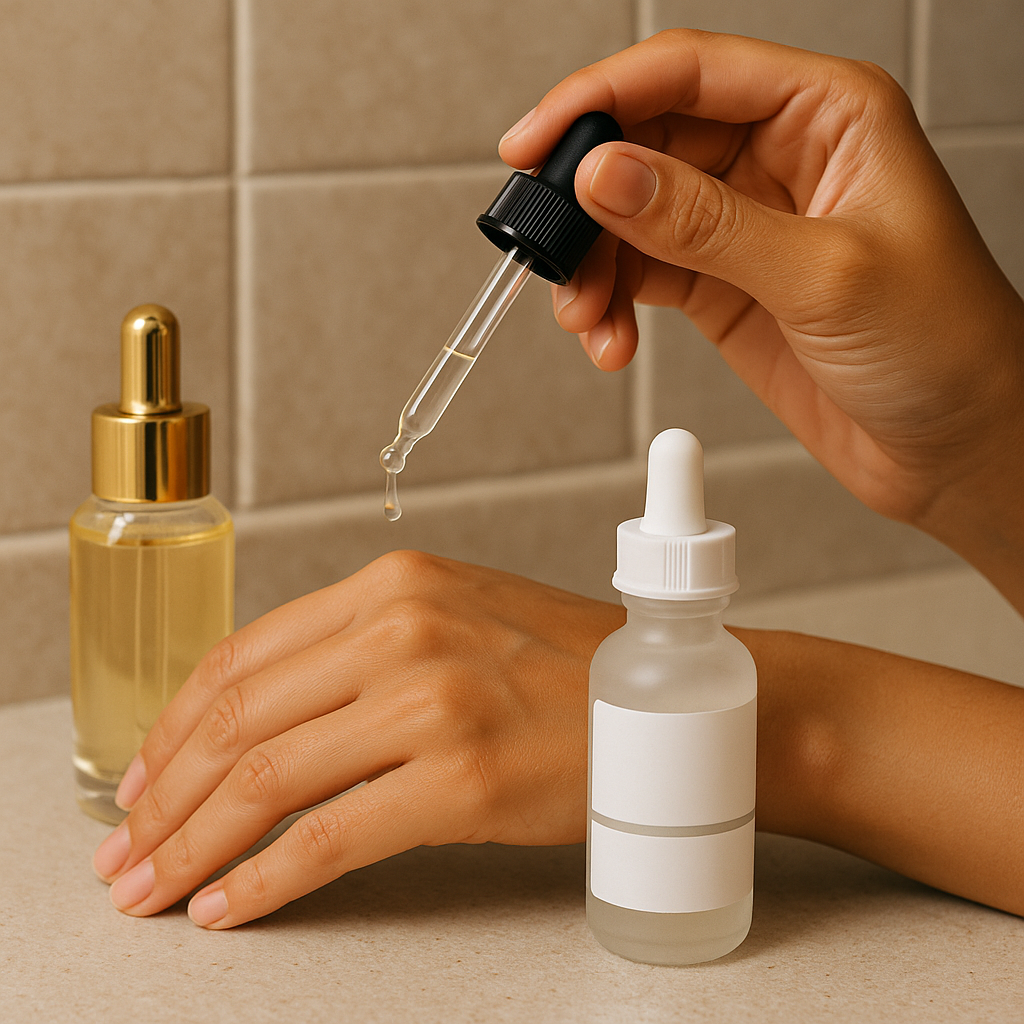
I’ve tried the expensive pore-refining serums that come in heavy glass with a dropper that feels like lab equipment. They work, sure, but so did the boring one I bought on a whim at the mall when I ran out: The Ordinary Niacinamide 10% + Zinc 1%.
Here’s the unsexy reason it earns a spot in my cabinet. Niacinamide is one of those ingredients where the payoff is cumulative and subtle: less midday shine, makeup sits better on my nose, and I get fewer of those tiny congestion bumps along my jaw when I’m stress-eating and sleeping on one side. When I spend a lot on a serum, I start rationing it like it’s truffle oil. Then I skip days, then I save it for a special occasion, then it expires half-used. With this one, I don’t do any of that. I use it.
Application matters with this formula because it can pill if you get sloppy with layers. If I’m doing it in the morning, I keep the stack simple: cleanse, 2 to 3 drops of niacinamide, moisturizer, sunscreen. If I add a silicone-heavy primer too fast, I get those little eraser crumbs around my nostrils. Waiting 60 seconds fixes it more reliably than changing products.
A note from the “I’ve learned this the hard way” file: higher percentage isn’t a personality trait. Ten percent is plenty for me. If you know you’re sensitive, you don’t have to start with daily use. Every other day is fine, and your face will let you know if it wants less. Also, don’t treat niacinamide like a magic wand for everything. It plays nicely in a routine, but it won’t replace sunscreen, it won’t undo a week of picking, and it can’t outwork a cleanser that leaves you squeaky.
When someone tells me their luxury serum is worth it because it has niacinamide, I believe them. I just don’t believe the price is doing the work. The habit is.
Stop paying for hyaluronic acid. Pay for peptides.
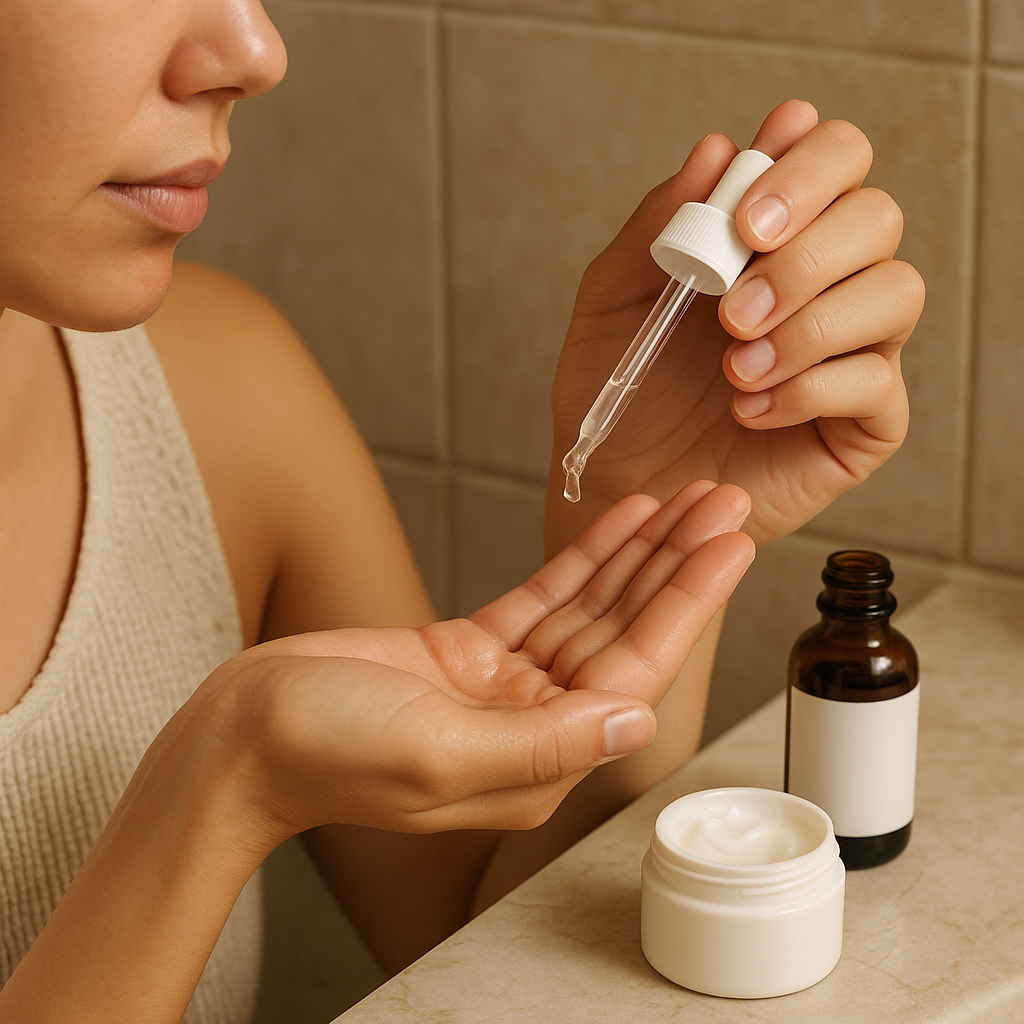
Confession: I used to think the high-end plumping serums were doing something structural because my face looked better five minutes after I applied them. Then I started paying attention to what that look was. It was surface hydration. It was slip. It was that temporarily smoother texture you get when you put any decent humectant under a moisturizer. If I’m going to spend money on a bottle, I want more than a short-lived glow that disappears by lunch.
The swap I keep rebuying is The Ordinary Multi-Peptide + Copper Peptides 1%. It’s not a clone of any single luxury serum, but it hits the same “I want to look less tired” lane without the department store markup. The feel is different from hyaluronic acid too. It’s slightly tacky for a minute, then it settles, and my face feels cushioned under moisturizer in a way that’s hard to fake with a basic gel.
I use it at night on clean, slightly damp skin, then I follow with a plain moisturizer. Not a complicated one, not a fifteen-actives-in-one-pump one. If I’m also using a strong active like retinoids or exfoliating acids, I don’t layer them in the same routine just because I can physically do it. I alternate nights. My goal is consistent results, not a chemistry experiment.
What I like about putting my money here is that it changed what I stopped buying. I quit impulse-grabbing the $70 hyaluronic acid serum that feels like water and makes me feel responsible for 12 minutes. If I want that kind of hydration, I can get it from a glycerin-based moisturizer, a hydrating toner, or even a thin layer of petrolatum on dry spots when the weather is brutal. Those do the job. The peptide serum is the extra pick that feels like it earns its shelf space.
One last practical thing: copper peptide formulas can have their own quirks, and I’m not going to pretend you can eyeball safety. I buy mine from reputable retailers, I keep the cap clean, and if anything smells off or changes dramatically in texture, it’s done. Skincare is not the place to get brave about questionable product.