
The One Payment That Made a Viking Marriage Deal Official
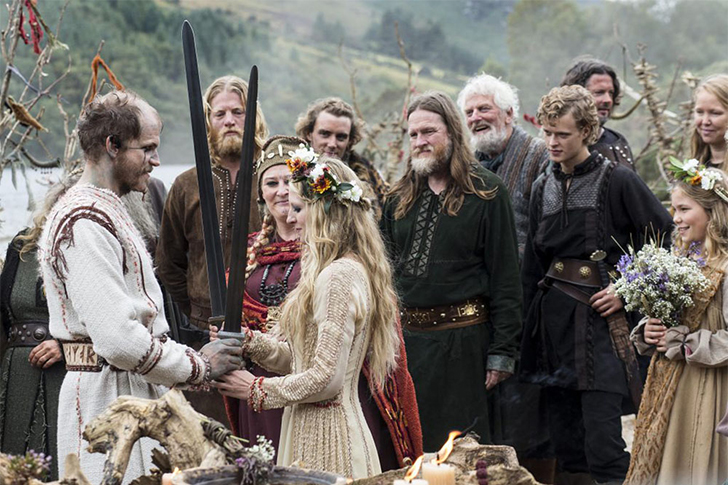
Viking weddings focused on practical family arrangements rather than ceremonies, centering on the contributions and guarantees from each side. The groom's most critical offering was the mundr—a bride price paid to her family, proving his ability to support a household. Marriages served as contracts, clearly stating terms and repercussions of unfulfilled promises.
The bride's dowry, or heiman fylgia, typically included land, livestock, or silver—assets meant to bolster the new household. Icelandic sources indicate a common mundr was about eight ounces of silver, matched by the heiman fylgia. These exchanges reinforced social status, wealth distribution, and family alliances, forming a balanced, enforceable contract.
The One Detail on Viking Ships That Makes Them Sound Miserable
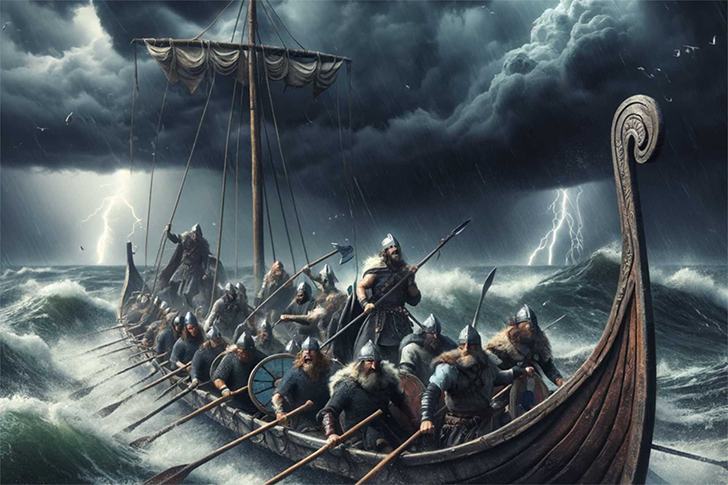
Viking vessels, including longships and knarrs, lacked cabins. These open boats forced the crew to work, eat, and rest on deck, exposed to the elements. When beaching for the night, they might lower the sail over the hull for a makeshift tent, offering minimal shelter from wind and rain. It was practical but uncomfortable, the closest to indoor living they got.
On open water, there was no refuge. Sailors faced cold gusts and constant spray, sleeping where they sat, wrapped in animal skins or blankets. The deck was damp, the air sharp, and the weather uncompromising. Life aboard prioritized survival and speed over comfort, making the absence of cabins an accepted challenge everyone on board had to manage.
Why Did Vikings Treat Cats Like a Lucky Charm, and What Was Freyja’s Chariot Really About?
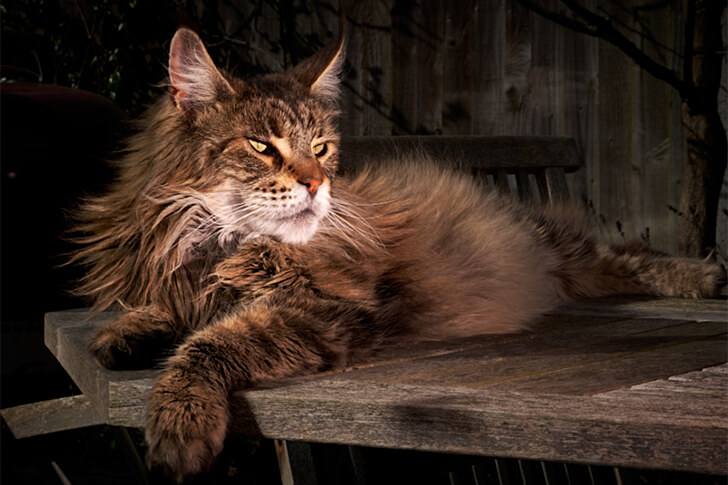
Vikings didn't just keep cats around the farm; they included them in myth. In Norse tradition, Freyja, the goddess of love, rides in a chariot drawn by two large cats, making them symbols of luck and prosperity. Archaeologists have found cats buried in Viking Age graves, showing their value as companions, not just pest control.
Though little evidence exists of kittens as wedding gifts, older customs linked cats to blessings for brides. Traditions tied them to good fortune and favorable weather, especially in the late Viking Age around 900 AD. Cats had a dual status: practical animals and symbolic figures. Their cultural role grew through household familiarity and folklore.
Those Strange Tooth Grooves, and What Vikings Might Have Meant by Them
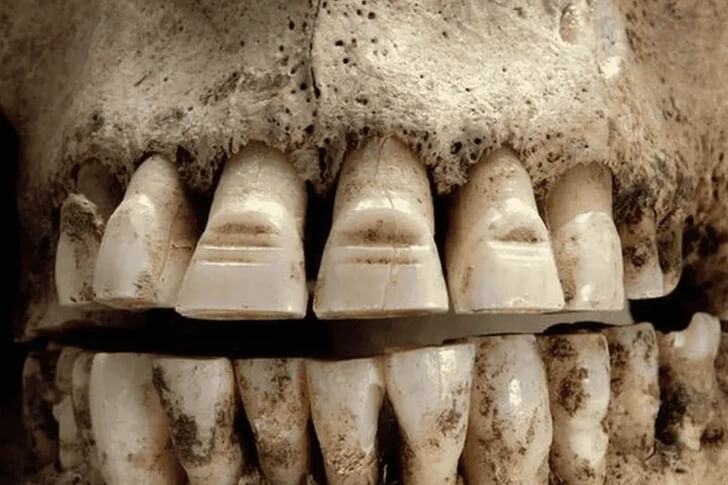
Archaeologists have noticed a pattern in Viking burials: about 130 men had front teeth carved with horizontal grooves. These marks are deliberate, resembling a chosen design rather than daily wear. Such finds appear in movement and exchange areas like Gotland and Kopparsvik, indicating a recognizable practice across multiple graves.
Researchers believe the modification was done by others, as the lines are straight and carefully placed, suggesting a skilled hand and shared custom. The grooves might have signaled status or belonging, linked to merchants or social networks in Norse communities. Most examples are in 10th and 11th century Scandinavian graves, supporting the idea of a regional fashion or identity marker.
Could a “Sunstone” Really Point the Way at Sea?
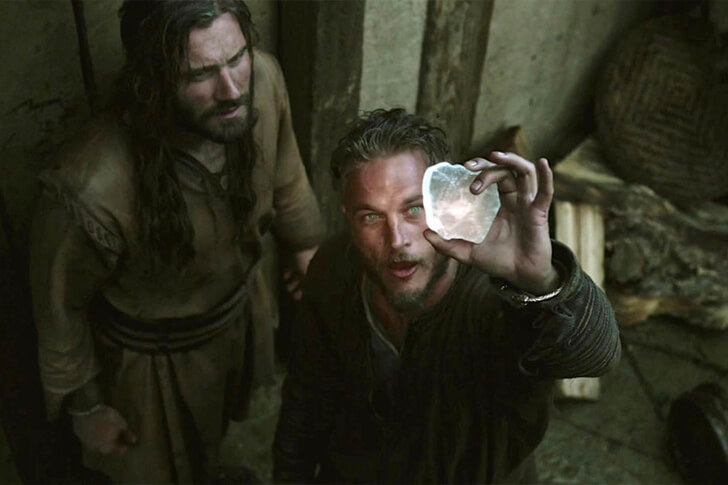
Long before magnetic compasses were widespread in Europe, Viking mariners had a clever backup for overcast days. Medieval Icelandic sagas mention a sólarsteinn, or “sunstone,” believed to help sailors find the sun in fog or clouds. By raising the crystal skyward, it would reveal the sun’s position, aiding navigation on open water.
Researchers see the “sunstone” as a practical optical tool. A polarizing crystal like Iceland spar interacts with scattered daylight to suggest the sun’s hidden position. Rotating the crystal while observing changes in brightness would let a user infer direction. Combined with experience, this could have helped crews maintain a steady course across the North Atlantic around the year 1000 when reliable navigation was vital.
The Overlooked Prize Vikings Carried Home
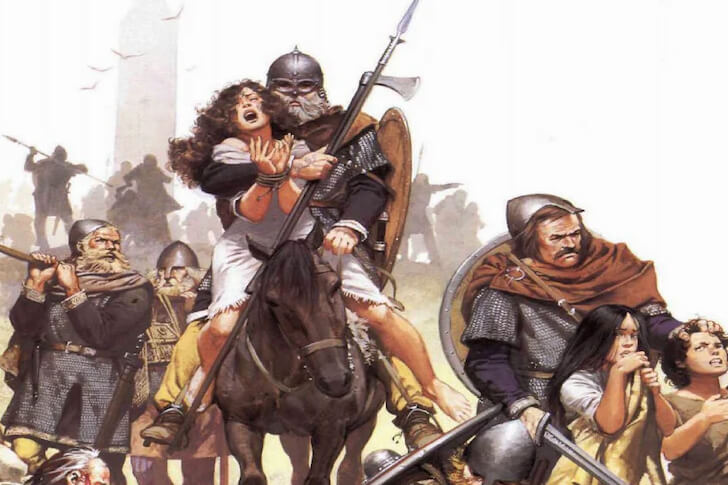
When Norse warbands struck coastal towns, plunder was only part of the haul. They also seized people, turning them into thralls—enslaved men, women, and children taken as living spoils. Some captives were sold on; others were kept to run households, cooking, cleaning, and doing daily labor. Women were especially vulnerable, coerced into domestic service or sexual exploitation.
The Annals of Ulster describes an 821 raid near Dublin carrying off “a great number of women.” Enslavement wasn't just a side effect; it was a core revenue stream fueling the Viking economy. Captives moved through networks linking northern Europe to eastern markets. For many women, being taken meant long-term captivity and life as property.
Why the Viking Helmet Everyone Pictures Never Had Horns
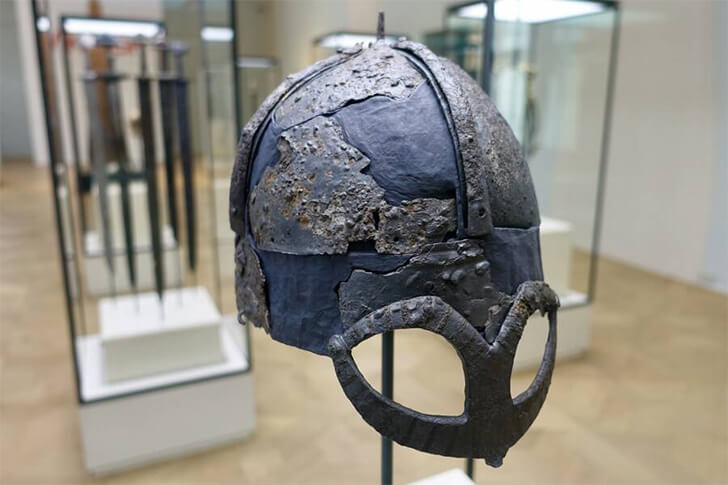
The horned Viking helmet, appearing in cartoons and sports branding, lacks archaeological support. Throughout the Viking Age (793-1066 AD), no helmet with horns has been found. If such headgear were common, a specimen would likely show up in burials or settlements, but the record remains horn-free.
Discovered examples like the Gjermundbu helmet from Norway, or fragments in Denmark and Sweden, suggest practical designs for battle. Helmets prioritized protection, not flair. Horns would add weight, awkwardness, and vulnerability. The iconic horned image is a 19th-century creation by artists and designers for dramatic effect rather than historic truth.
That “Viking Skull Cup” Story, Here’s What They Actually Drank From
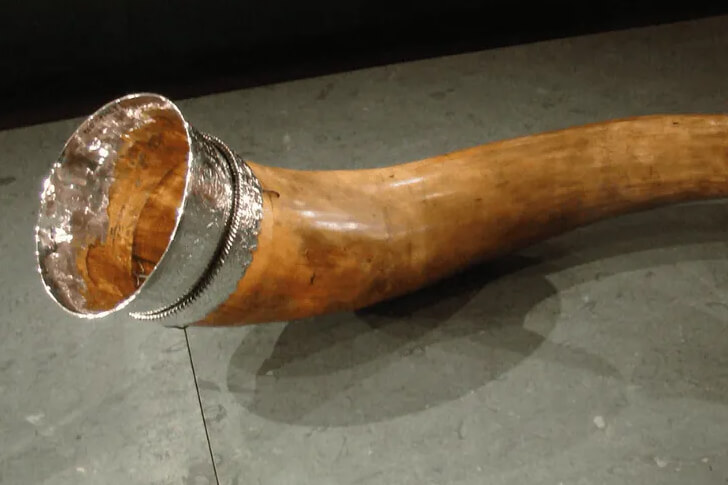
The familiar image of Vikings swigging from an enemy’s skull is more a mistranslation that turned into folklore. In the skaldic poem Krákumál, a kenning is rendered as “curved branches of skulls.” Read literally, it sounds like bone goblets. In context, the phrase refers to drinking horns, the curved “branches” made from animal horn, not human skulls.
The skull-cup idea took off in the 1600s, when a reader treated that poetic line as a straightforward description. Earlier Old Norse texts and archaeological finds show a different picture: people drank from cattle or goat horns, often with metal mounts, used for mead or ale at feasts, not skulls.
Why a Bowl of Onion Soup Was the Vikings’ Most Unsettling Medical Test
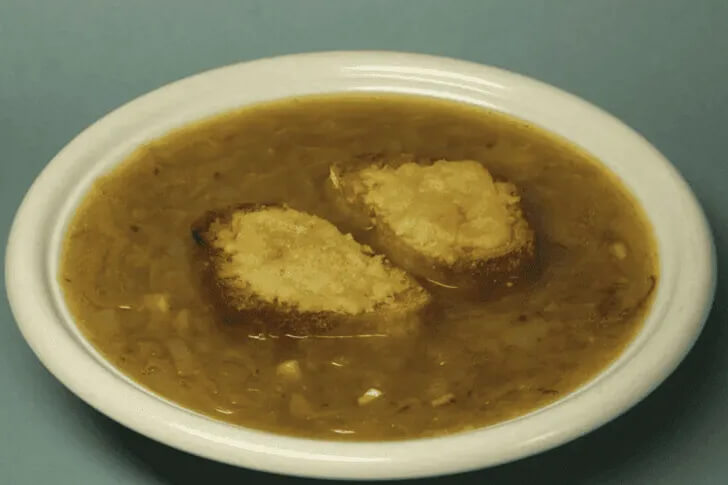
Viking-era medicine is noted for its direct yet alarming methods. Healers in Norse sagas, recorded in the 1200s, reportedly evaluated battlefield wounds using onion or leek soup. This concoction wasn't for comfort but initiated diagnosis if a stomach injury was suspected.
The caregiver smelled the wound afterward. If the scent of onions or garlic seeped through, it indicated intestinal puncture, making recovery unlikely. No smell suggested the gut was intact, offering hope. Although it seems folklore, the idea was simple: the scent meant severe damage, often leading to fatality.
The Silver Payment That Made Vikings Back Off, at Least for a While
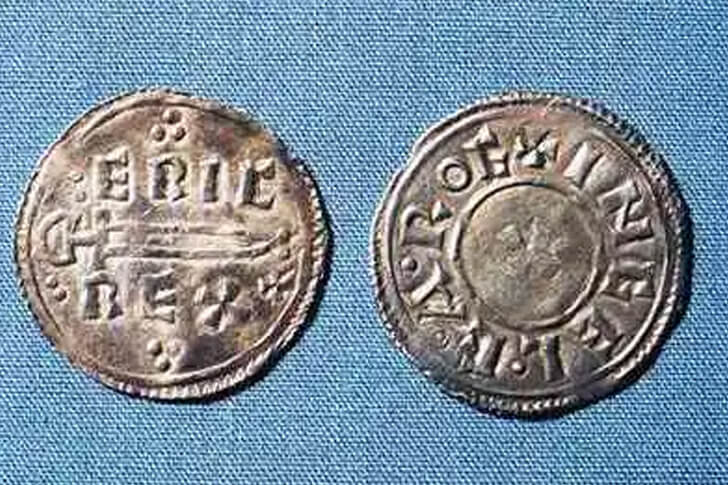
When Viking crews appeared at monasteries or trading ports, they came for plunder and leverage. Many English rulers found that a payout, known as danegeld, was cheaper than battle. This "payment to the Danes" was a simple bargain: pay silver now, or watch your community get devastated.
After the Battle of Maldon in 991 CE, English leaders paid 10,000 pounds of silver to persuade the raiders to leave. Danegeld did not ensure lasting peace. Sometimes peace was brief, and payments revealed the region's wealth. Danegeld financed further campaigns and reinforced the Vikings’ reputation as dangerous visitors who could be temporarily bought off but rarely trusted.
The Viking Water Duel That Turned Breath Into a Weapon
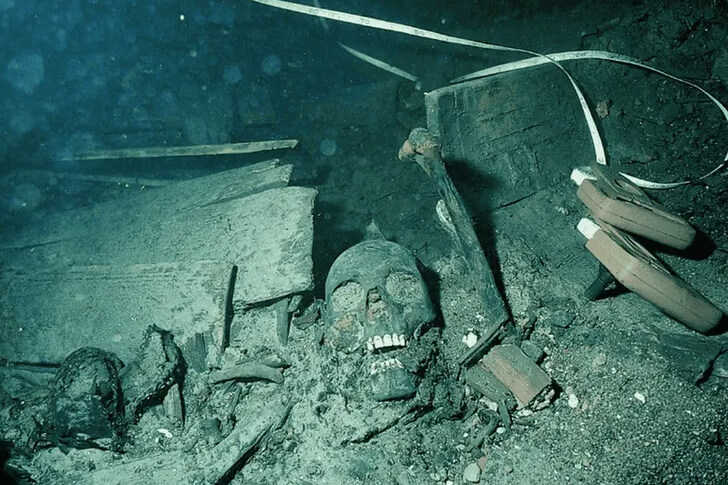
Vikings were not known for staging “friendly” matches, and their contests in the water could be especially punishing. In the Laxdaela saga, swimming challenges tested raw strength, nerve, and endurance. The setup was simple and brutal: two men entered the water, locked up like wrestlers, each trying to force the other under. Victory relied on control and stamina, submerging an opponent long enough to break his resistance.
One story describes Kjartan and a rival repeatedly going under in a cycle of submersion and escape. They would sink, struggle for leverage, wrench free, then surface only long enough to gulp air before plunging back into the clinch. The match ends when both finally come up for good and agree to stop. These fights were a public display of toughness and resolve, staged in a way that made courage impossible to fake.
The Reindeer-Skin Coats That Sparked a Viking “Armor” Legend

In Viking Age Scandinavia, reindeer were a familiar sight, their hides a practical resource turned into daily gear. Yet, one saga detail keeps drawing attention. In Heimskringla, compiled by Snorri Sturluson around 1225, chieftain Thórir Hund is linked to a unique project. During his trades with the Sámi in the mountains, he commissioned twelve thick reindeer-skin coats—a notable number and specific claim.
The account extends beyond warmth. It suggests the pelts bore Lapland magic, making them blade-proof and thus battlefield protection. In the saga, these enchanted coats appear during the Battle of Stiklestad in 1030. This image, reindeer hides as near-invulnerable armor, perpetuates the myth, blending practical materials with remarkable storytelling and the saga tradition's penchant for the extraordinary.
The Weird Fungus Trick Vikings Used to Keep a Fire Alive at Sea
Vikings were known for raids, but they also had a knack for keeping a reliable fire. One tool was a bracket fungus called Fomes fomentarius, or touchwood. They stripped it from trees, then simmered it in stale urine for days. The chemistry worked: nitrates in the liquid soaked into the fungus, changing its texture and making it easier to catch and hold a spark.
Once dried, the fungus did not burst into flame. It smoldered steadily, like a slow ember. This was crucial on long voyages, when starting a fire from scratch was hard in wind or rain. Crews could carry a piece as a portable heat source, keep it glowing, then coax it into a flame for cooking, warmth, or campfires upon landing.
The One Grim “Solution” Viking Families Used When a Baby Couldn’t Survive
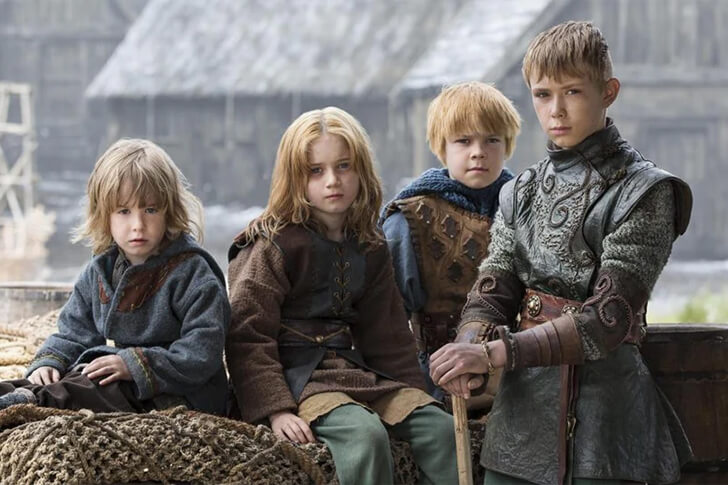
Viking Age Scandinavia prioritized survival over compassion. Old Norse legal material describes “exposure,” where families left severely deformed infants outdoors to die. The reasoning was practical: a child unlikely to survive could drain scarce resources, risking everyone else in the home. In a world vulnerable to one fatal bad season, decisions were often brutally efficient.
Sagas and legal traditions echoed this survival-first outlook, particularly before Christianity became established. Seafaring stories describe similar choices at sea. Packed ships with limited supplies offered little room for frail newborns, seen as endangering the group's survival. Some accounts suggest such infants might be abandoned to ensure the crew's endurance.
What Those Viking Longships Were Really Carrying
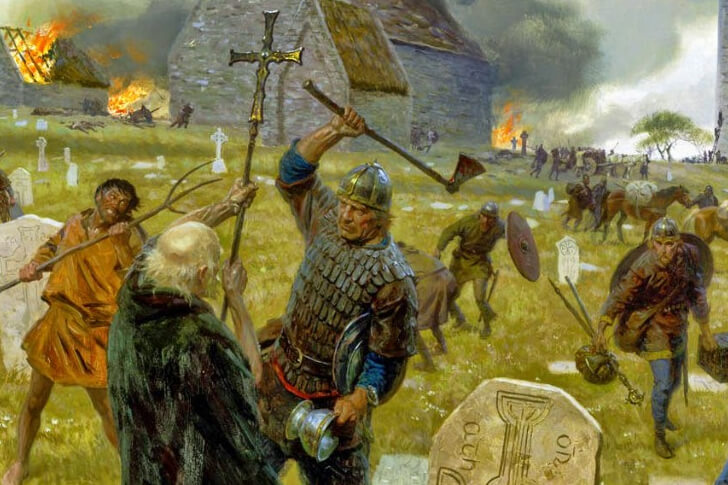
Viking journeys opened trade, alliances, and new routes, but they also moved something far less welcome. Researchers found DNA from the virus causing smallpox in Viking burial sites in Denmark, Norway, Russia, Britain, and Sweden. The material dates from AD 600 to AD 1050, spanning the Viking Age. As travel and contact expanded, so did mobility hazards.
One detail is that the smallpox strains in the remains don't match later forms. This suggests the virus circulated in earlier lineages before 1000. As seafarers moved between ports, infections could travel with them, then spread when crews returned. The voyages brought goods and connections but may also have delivered disease as an unintended import.
What Was the Ox Hide Square, and Why Did Vikings Fight Inside It?
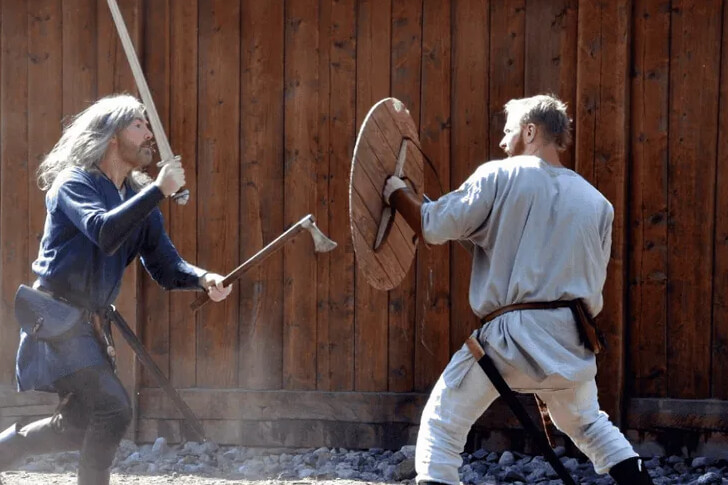
When negotiation failed and tempers flared, some Vikings turned to holmgang, a formal duel serving as a legal solution. It was not random fighting but a recognized way to settle disputes over honor, property, or debts. The event was held on a small island or marked ground, transforming a feud into a courtroom-like proceeding. The fight's outcome settled the dispute, treated by the community as binding.
The contest space was precisely defined. An ox hide or cloak created a ten-foot square, with boundary lines clearly marked. Each fighter brought three shields, following a rhythm as shields broke and were replaced. Victory didn't require a killing blow. Bleeding enough to be defeated or stepping outside the marked square counted as a loss in the duel and the underlying case.
The One Legal Loophole Vikings Used to Take Your Land
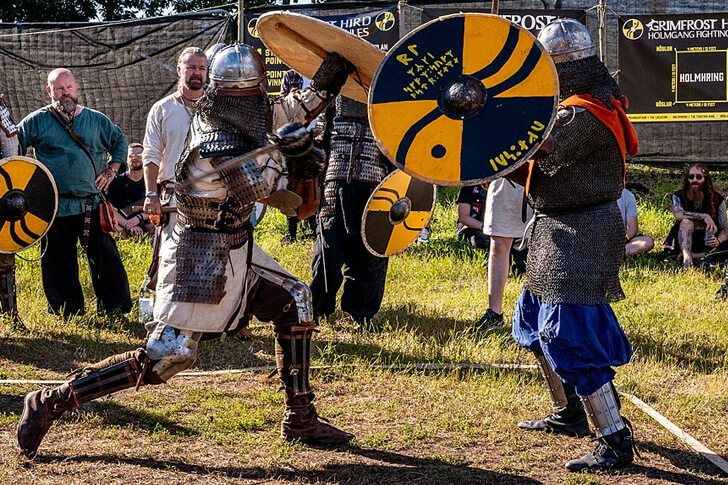
Holmgang, a Viking duel law, was meant to resolve disputes without community feuds. The victor claimed the defeated’s property, turning this legal remedy into an opportunity. Some challengers declared claims on opponents’ land, then used skill or intimidation to win and take possession under law.
Professional duelists pushed holmgang toward legalized robbery. They targeted weaker people, pressured them into challenges, and used rules to convert threats into “legitimate” transfers. As this became clear, authorities moved to end it. Iceland outlawed holmgang in 1006; Norway banned it in 1014. These moves didn’t end violence but curbed state-recognized extortion tied to the system.
The Everyday Words That Secretly Came From Vikings
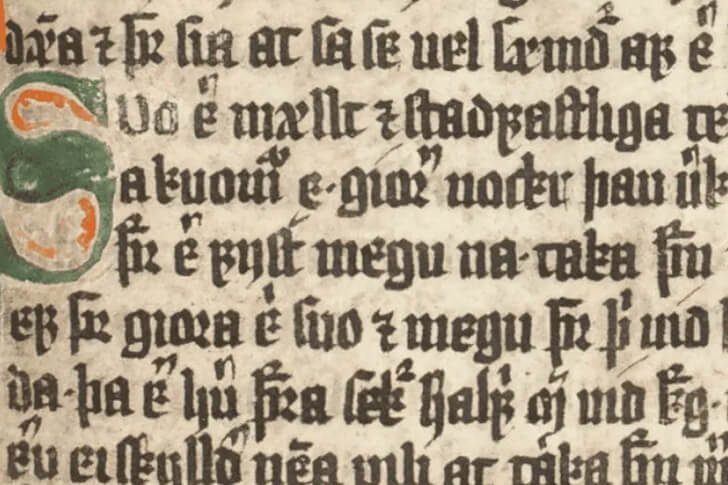
English absorbed much more than just a few Viking-themed props. When Norse settlers and Anglo-Saxons coexisted in Britain, their speeches intertwined. From about 870 to 1066, Old Norse terms entered everyday language through trade and shared living. Familiar words like ugly, egg, knife, die, give, and husband trace back to Norse. These imports became integral to English, losing their foreign flavor.
Many Norse loanwords replaced older English terms or settled in with new meanings. Used for centuries, they now sound native rather than borrowed. Beyond vocabulary, Old Norse influenced English grammar. A prime example is the pronoun “they,” rooted in Old Norse, showcasing the languages' blend. This underscores Viking influence in routine English sentences.
The One Rock in Viking Wrestling That Changed Everything
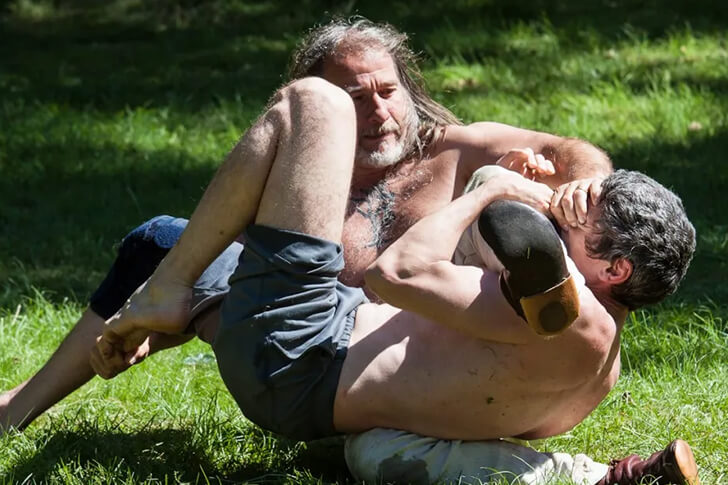
Wrestling in the Viking Age was more severe than a straightforward contest. In styles like glíma, or fang, a broad, flat stone might be set in the fighting space. Old Norse sagas describe bouts where the aim was not just to outbalance a rival, but to drive or throw them onto the rock. This demanded timing and leverage, risking painful injury.
The stone was a deliberate hazard, adding a harsh layer to tests of strength and control. A timed shove or twist could end the contest. In the worst cases, consequences extended beyond the match itself, highlighting the physically unforgiving nature of competitive wrestling in the Viking era.
The Viking Board Game Pieces That Beat Chess to Europe
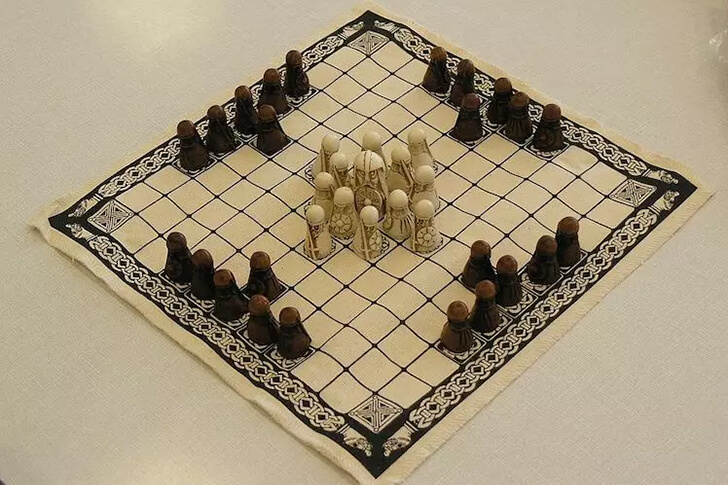
Long before chess was Europe’s strategic choice, many Vikings were captivated by a tense game called hnefatafl. The rules ensured a standoff: a king began in the center with defenders, while attackers pressed from the edges. The defenders’ goal was to break the blockade and escort the king to safety. The attackers, though more numerous, aimed to trap and capture him.
Evidence isn’t just literary. Archaeologists have found hnefatafl boards and pieces in Viking graves and settlements across Scandinavia, Ireland, and the Orkneys. Finds range from simple wooden sets to intricate bone and ivory carvings, showing it was popular across social levels and distances. These artifacts underline hnefatafl as a Viking Age favorite, predating chess’s dominance in Europe.
The One Viking Warrior Type That Turned Shields Into a Weapon
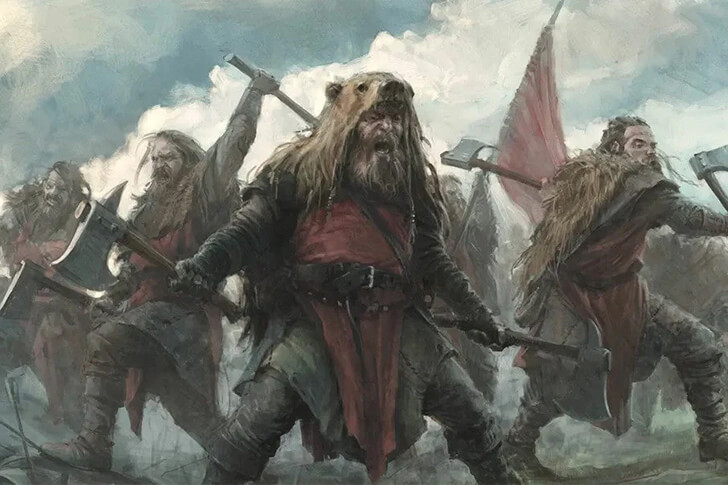
Among Viking fighters, berserkers stood out as Old Norse sources depict them as anything but typical soldiers. Accounts portray them slipping into a battle state marked by extreme rage. They shouted like animals, whipped into a frenzy, and sometimes foamed at the mouth. One of the most repeated details is gnawing on their shields before rushing forward, signaling an imminent brutal and unpredictable fight.
Leaders reportedly positioned these men at the front, using them as shock troops to slam into enemy lines and disrupt formations. In stories tied to rulers like Harald, they were sent in first to hit hard and loud, aiming to break morale as much as bodies. Sagas claim they seemed to feel little pain, cementing their fearsome image. Whether every detail is literal or partly legend, their reputation alone made them both feared and valued within Viking warbands.
The One Viking “Weapon” Leaders Eventually Had to Ban
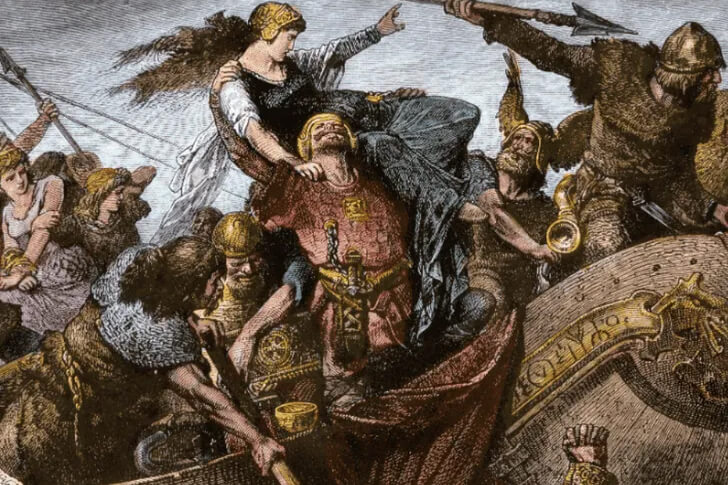
Berserkers were said to charge into combat as if possessed, entering a trance-like fury. Sagas describe them biting shields, roaring, and focusing intensely during berserkergangr. The problem was, this frenzy didn't always end with the fight. In the chaos, they might attack anyone nearby, be it foe, comrade, or unlucky onlooker, making them both deadly and dangerous.
This unpredictability led to a crackdown. Once they began turning on allies and civilians, a “useful tool” became a threat to order. Leaders needed reliable forces and communities that could function between raids, not warriors spreading chaos. In 1015, Jarl Eiríkr of Norway banned them. Iceland's Grágás law saw berserker rages as crimes, not quirks. Such measures gradually pushed them out of society.
The One Plant That Might Explain Berserker Rage
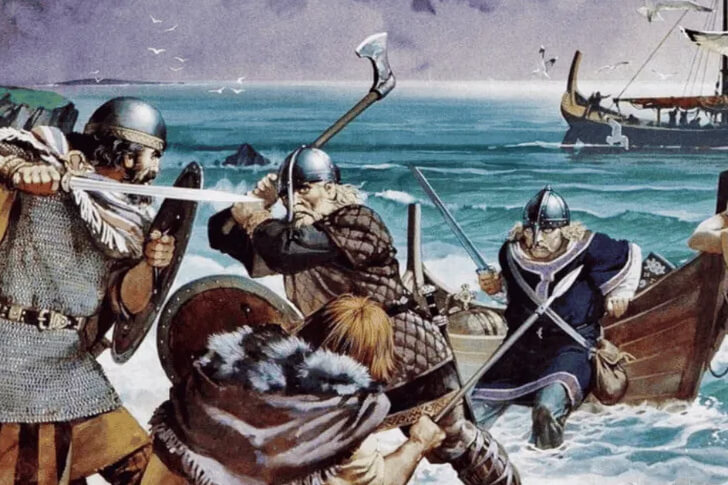
Many historians argue that Viking berserkers were not powered by courage alone. A prevailing theory suggests mind-altering plants pushed them into a violent state. Black henbane, a toxic nightshade, is a prime candidate. Studies link henbane exposure with aggression, dulled pain, confusion, and poor judgment, involving a dangerous chemical shift rather than mere "psyching up."
These effects align with saga descriptions of berserkers as seemingly immune to pain. Archaeologists found black henbane seeds at Viking-era sites in Denmark, dated to around 980, indicating its cultural presence. Henbane offers a plausible explanation for battlefield frenzies beyond ordinary adrenaline, making the herbal theory compelling yet unsettling.
The Secret Behind Viking Longliners, and Why These Boats Owned the Open Sea
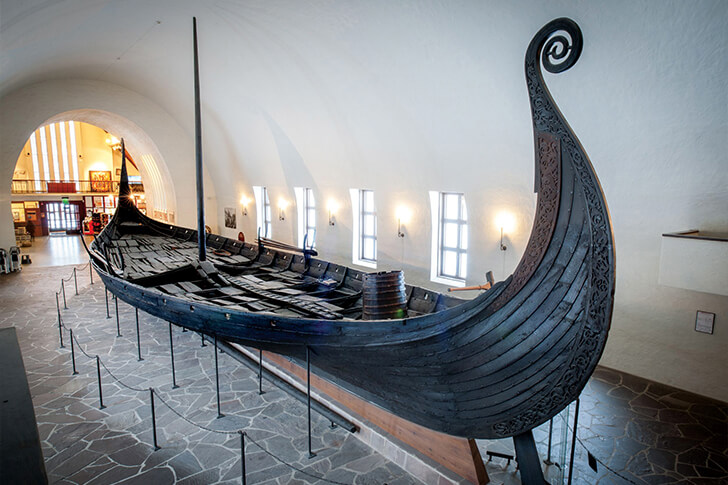
Viking longliners, the narrow ships of Norse seafarers, were pivotal in the Viking Age. They used clinker construction, layering oak planks to overlap like shingles, making a tough yet springy hull. This design endured harsh seas, hauled heavy cargo, and stayed seaworthy on long journeys, perfect for coastal and open-water travel.
Overlapping planks had seams that needed careful treatment to avoid leaks. Gaps were packed with materials like moss, wool, or animal hair, then sealed with tar or tallow. This waterproofing system turned an ingenious hull into a reliable ship. With this design, Vikings traveled beyond Scandinavia, exploring Ireland, Greenland, and beyond for trade, raids, and long voyages across challenging waters.
The Surprising Speed Trick Behind Viking Longships
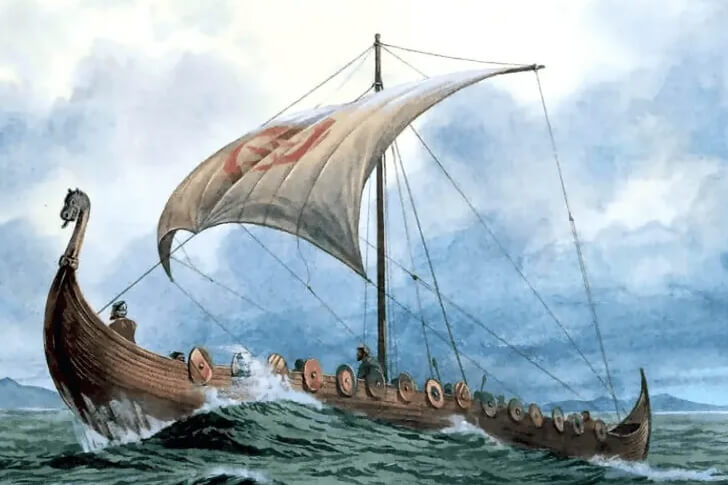
Viking longships, famously long and narrow, were designed for speed and control. Equipped with both sails and oars, crews could still progress even against shifting winds. Typically, these vessels achieved speeds of 5 to 10 knots, but favorable conditions allowed them to reach up to 15 knots, approximately 17 mph—an impressive feat for a wooden medieval ship.
This speed enabled significant daily travel. A longship could traverse 125 miles in a day using just its sails, making long-distance journeys feasible. Swift movement allowed crews to arrive unexpectedly and conduct raids within daylight. In the Viking Age, this blend of range and agility made far-flung coasts seem attainable rather than distant dreams.
The Strange Arena Sport That Turned Viking Stallions Into Status Symbols
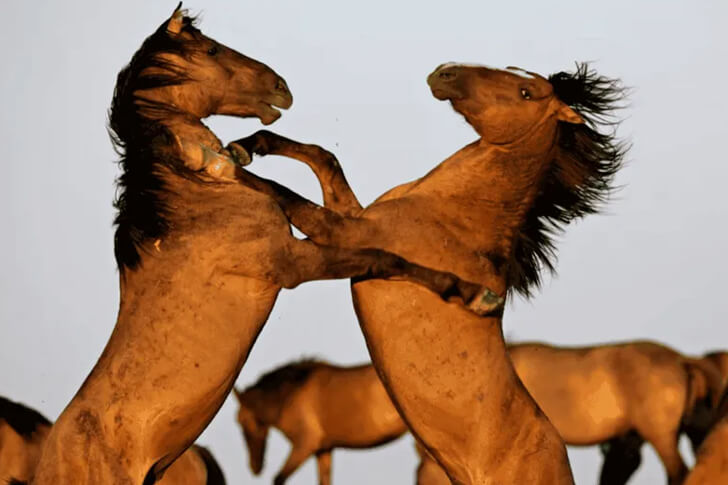
In Viking Age Iceland, locals flocked to watch hestavíg, where two spirited horses clashed in a ring. Emerging around the 10th century, these contests reflected reputation and breeding value. Saga accounts detail spectators tracking every move, eager to see which horse would dominate. It wasn’t just a scuffle; it was a public display of dominance.
The handlers were active participants, using sticks and noise to maintain the clash and prevent early retreats. Mares nearby heightened tension, driving the stallions into fiercer exchanges. They bit, struck, and charged until one backed down, ending the contest. The sport had no modern rules, just raw tests of strength and nerve, mirroring the era’s love for bold displays of toughness.
The Surprising Thing “Viking” Really Meant, It Wasn’t a Nationality
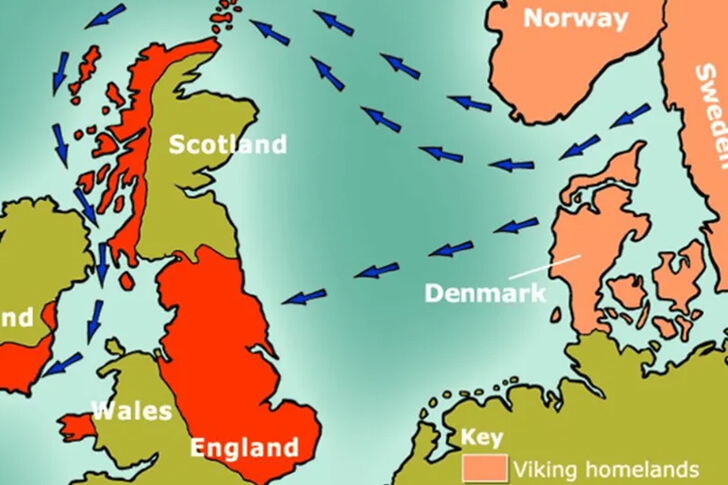
Calling someone “a Viking” can sound precise, but it grouped Norse communities from Denmark, Norway, and Sweden, who were not a unified tribe. They shared traditions and Old Norse, a shared language that shaped Danish, Norwegian, Swedish, Icelandic, and Faroese.
Here is the key detail: “Viking” described an action, not origin, pointing to seaborne raiders or expeditions. It was a role, not a nationality. Only later did it umbrella the period and people. Their connection was common roots, customs, and a language that traveled with them.
The Axe-Wielding Outsiders Who Became Byzantium’s Most Trusted Bodyguards
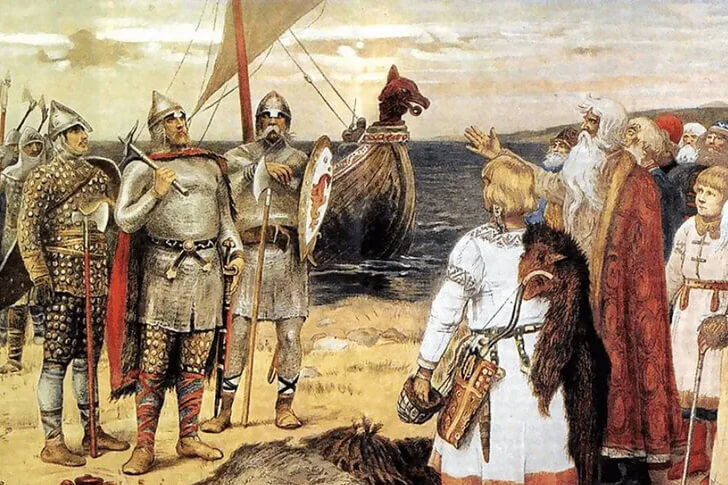
When Byzantine emperors needed intimidating and dependable protection, they turned to the far north. The Varangians, Norse fighters known for their strength and loyalty, fit this role perfectly. The unit was formalized under Basil II in 988 after an agreement with Prince Vladimir of Kyiv. Amid a civil struggle, Vladimir provided soldiers, giving the emperor a guard with a clear loyalty chain.
These warriors stayed close to the emperor during peace, marched on campaigns, and intervened in threats to his safety. Their lack of local ties reduced the risk of involvement in court factions or family feuds. In a swiftly changing political landscape, their outsider status made them a practical choice for rulers needing visible and reliable protection.
The Louvre’s Oldest Secret, A Viking-Proof Fortress Under the Floors
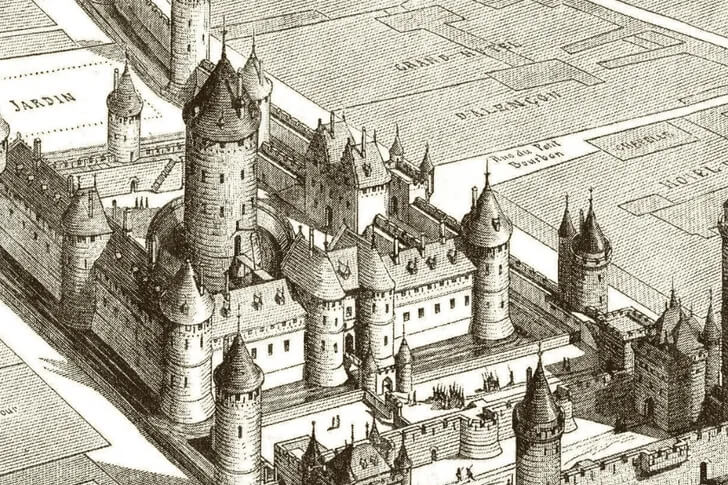
Long before any famous portrait drew crowds, the site existed to endure. Around 1190, King Philip ordered a fortress on the Seine’s right bank to protect Paris from Viking attacks. Norse raiders had used the river as a highway for a century, and the siege of 885–886 showed their reach. The response was clear—build a stronghold and keep watch.
The structure featured heavy stone walls, compact towers, and a moat fed by the Seine, defending the city's western approach. It was not meant as a palace or museum but was a military stronghold to absorb pressure. These medieval foundations remain beneath today’s galleries and stairways, a hidden layer under the polished public spaces.
The Surprising “Thing” That Kept Viking Justice on Track
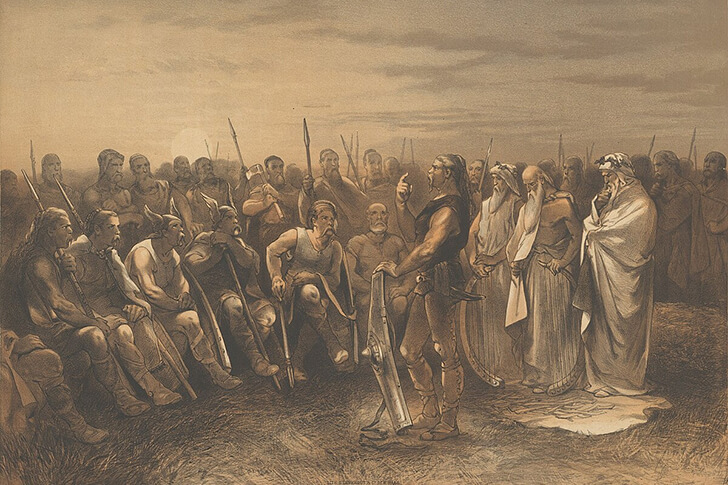
Across the Viking world, justice was public. It played out at the Thing, a public assembly from the Old Norse þing, meaning “gathering.” Free men met at agreed times to settle conflicts and handle community matters. Agendas included boundary disputes and questions about behavior. Complainants spoke freely, supported by witnesses, in front of an attentive community.
The lawspeaker, reciting law from memory, guided the proceedings. This official acted as a living reference book. The free men weighed evidence, made decisions, and shaped rules. This blend of roles made the Thing a courtroom, council, and public forum, with the community’s authority prominently displayed.